


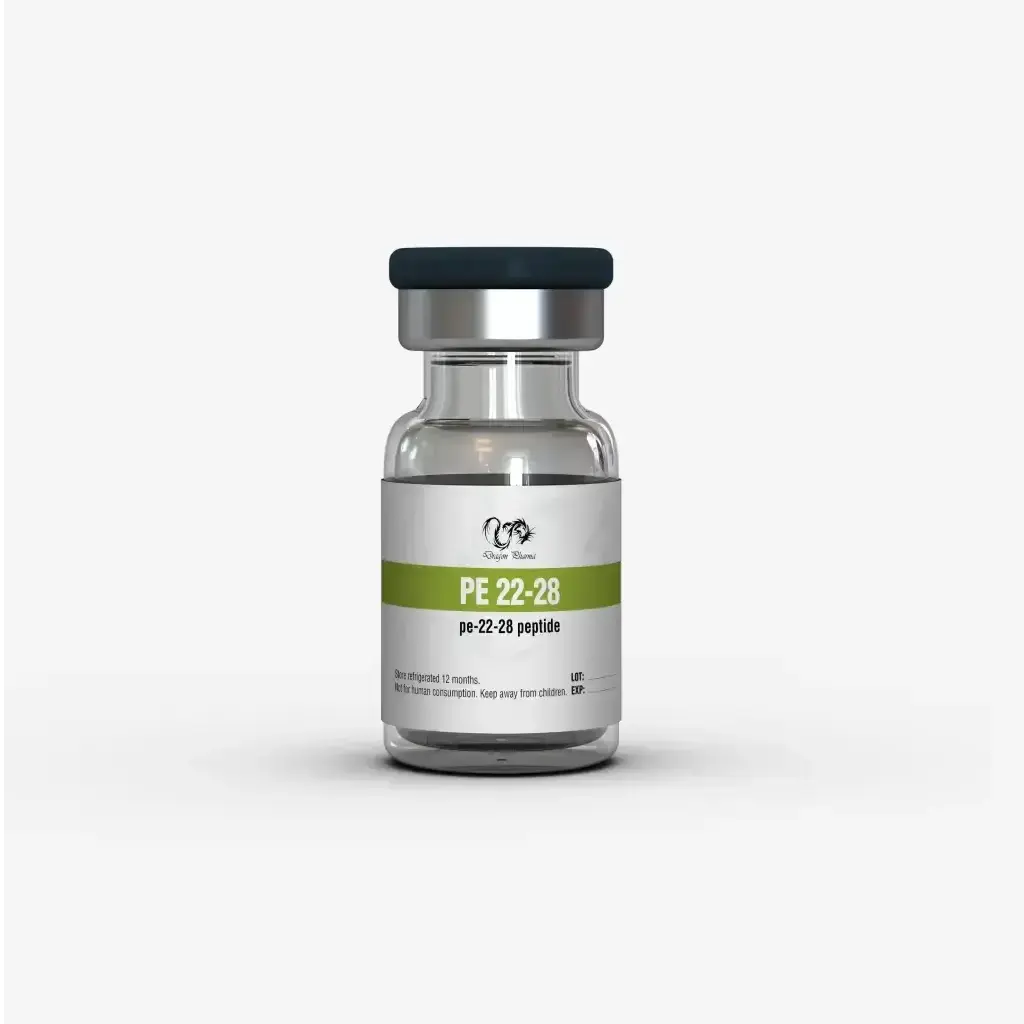
Drug Class: PACAP-Derived Neuropeptide Fragment
Composition: PE 22-28 (Gly-Ile-Ala-Gly-Ala-Ser-Asp-Arg)
Dosage: 10 mg/vial
Form: Lyophilized (Freeze-Dried) Powder
Unit: 2 mL Sterile Vial
Brand: Dragon Pharma
For Research Use in Laboratory Settings Only.
In the pursuit of peak physical performance, the role of the central nervous system (CNS) is often the final frontier. Dragon Pharma PE 22-28 10 mg presents a sophisticated research peptide derived from Pituitary Adenylate Cyclase-Activating Polypeptide (PACAP), offering a unique window into modulating neurotrophic signaling and synaptic plasticity. For the research-oriented bodybuilder or fitness enthusiast in the USA, this compound represents a potential tool for investigating enhanced recovery, cognitive fortitude, and neural drive—factors that directly translate to more intense training sessions and improved mind-muscle connection. When you choose to buy PE 22-28 USA from Dragon Pharma, you secure a high-purity, precisely dosed research chemical for legitimate experimental inquiry.
The active substance, PE 22-28, is the C-terminal fragment (residues 22-28) of PACAP (1-38), a potent neuropeptide and hormone. Its sequence, Gly-Ile-Ala-Gly-Ala-Ser-Asp-Arg, is engineered to interact with PAC1 receptors, triggering intracellular cAMP accumulation and subsequent CREB phosphorylation. This cascade is a fundamental pathway for neural adaptation, neuroprotection, and cellular energy regulation. In a research context, this makes PE 22-28 a valuable compound for studying mechanisms that could support cognitive function under stress, enhance sleep quality for recovery, and potentially modulate the hypothalamic-pituitary-adrenal (HPA) axis response to physical stress. Dragon Pharma's rigorous synthesis and lyophilization process ensures each 10 mg vial delivers unadulterated, stable peptide, providing reliable and reproducible conditions for controlled study.
The primary research interest in PE 22-28 revolves around its neurotrophic and neuroprotective signaling properties. By activating the PAC1 receptor pathway, it upregulates cAMP, a critical secondary messenger involved in numerous cellular processes. In experimental models, this has been associated with enhanced synaptic plasticity—the brain's ability to strengthen or weaken connections based on activity. For an athlete, this could theoretically translate to improved motor learning, faster skill acquisition, and a more robust neural drive during maximal lifts. Furthermore, its potential role in neuroprotection is significant for studying recovery from CNS fatigue, a common limiter in high-frequency, high-intensity training blocks common in steroid-assisted cycles.
Beyond the CNS, PACAP signaling influences metabolic and endocrine functions. Research suggests it plays a role in glucose homeostasis and energy expenditure. This positions PE 22-28 as a compound of interest for studies on metabolic efficiency during cutting phases or while using nutrient-partitioning agents like GW501516 (Cardarine). Its potential modulatory effect on the HPA axis is also noteworthy for research into stress resilience, which is crucial during demanding cycles with compounds known for psychological side effects, such as Trenbolone 100. The goal of such research is to understand how supporting neural and endocrine resilience can create a more anabolic, recoverable physiological state.
As a research chemical, precise handling and dosing are paramount. The Dragon Pharma PE 22-28 is supplied as a 10 mg lyophilized powder in a sterile 2 mL vial. For experimental use, it must be reconstituted with bacteriostatic water or a suitable sterile buffer. A common research concentration is achieved by adding 1 mL of diluent, resulting in a 10 mg/mL (10,000 mcg/mL) solution. Experimental in-vitro or preclinical dosage ranges are highly variable and context-dependent. In published literature focusing on PACAP fragment bioactivity, effective concentrations often fall within the low to mid-microgram range per experimental subject or system.
Administration in research settings may explore various routes, including subcutaneous or intraperitoneal injection for systemic studies, or direct application in neuronal cell culture models. Due to the peptide nature of the compound, oral bioavailability is negligible. The half-life of such fragments is typically short, suggesting that research protocols investigating sustained effects might employ continuous infusion models or multiple daily administrations. A standard research cycle for observing potential adaptive changes in neural or stress-response systems might involve daily administration for a period of 4 to 8 weeks, followed by an observation period to assess persistent effects or changes. Stability is key; reconstituted solution should be aliquoted and stored at -20°C for long-term use, or refrigerated and used within a week to prevent degradation.
In a hypothetical research framework aimed at exploring performance and recovery enhancement, PE 22-28 would be studied as a supportive, neuro-centric agent alongside primary anabolic or metabolic compounds. Its value lies in potentially optimizing the neural environment for growth and adaptation.
For Cognitive Performance & Drive: To study the impact on focus and neural efficiency during intense training, PE 22-28 could be researched alongside nootropic peptides like Semax 5mg or stimulant-free performance aids. This stack would be of particular interest for athletes using heavy androgenic compounds that can cloud mental clarity, seeking to maintain elite-level concentration in the gym.
For Enhanced Recovery & Sleep Quality: Deep, restorative sleep is critical for growth hormone release and systemic recovery. PE 22-28's potential calming effect on the HPA axis could be researched in conjunction with sleep-support peptides like DSIP 10 mg or the GH-secretagogue MK 677 (Ibutamoren). This combination would aim to study the potentiation of physical and neural recovery, especially during mass-building phases with compounds like Deca 300.
For Metabolic & Endurance Research: Given PACAP's link to metabolism, PE 22-28 could be included in studies on fat loss and endurance. It could be combined with Aicar 50 mg (an AMPK activator) to investigate synergistic effects on cellular energy sensing and substrate utilization during cardio sessions, supporting a cut or recomp phase.
For Comprehensive Neural Protection: In cycles involving harsh stimulants or compounds, researching a neuro-protective stack could be valuable. PE 22-28 could be paired with other neuroprotective agents like SS-31 50 mg (targeting mitochondrial function) to create a holistic model for studying CNS resilience under extreme physical and pharmacological stress.
Based on the existing scientific literature on PACAP and its fragments, PE 22-28 is generally considered to have a favorable safety profile in preclinical research. Being a peptide fragment of an endogenous hormone, it is typically well-tolerated in experimental models. Potential research observations, rather than "side effects," might include transient changes in behavior due to its neuroactive properties, such as mild sedation or altered exploratory activity immediately following administration in animal models, as PACAP is known to influence anxiety-like behaviors. These effects are typically dose-dependent and transient.
There are no known androgenic, estrogenic, or hepatotoxic effects associated with this peptide. Crucially, it is not believed to suppress the hypothalamic-pituitary-testicular axis (HPTA), making it theoretically neutral from an endocrine perspective in research scenarios. However, the primary safety consideration in any research is purity and sterility. Using a product from a non-reputable source risks contamination with pyrogens or other impurities that could invalidate results or cause adverse reactions. Dragon Pharma's GMP-oriented production minimizes this risk. Researchers are directed to foundational studies on PACAP for context, such as those available through the PubMed database at the National Library of Medicine.
The integrity of any research finding hinges on the quality of the tools used. Dragon Pharma's PE 22-28 is manufactured under strict quality control protocols. Each batch is synthesized to >99% purity, verified via Mass Spectrometry and HPLC analysis, and lyophilized in sterile, apyrogenic vials to ensure stability and prevent contamination. This commitment guarantees that researchers are working with a compound whose identity, purity, and concentration are exact. For scientists and advanced enthusiasts in the USA looking to buy PE 22-28 for legitimate experimental purposes, Dragon Pharma provides the reliable, pharmaceutical-grade standard necessary to produce credible and meaningful data on this fascinating neuropeptide fragment.
Name: PE 22-28
Drug Class: PACAP-Derived Neuropeptide Fragment (Research)
Other common names and terms: PACAP (22-28), Gly-Ile-Ala-Gly-Ala-Ser-Asp-Arg
Active Life: Short (estimated minutes to a few hours)
Detection Time: Not applicable/Not screened for in sports
Chemical Structure: Heptapeptide (Gly-Ile-Ala-Gly-Ala-Ser-Asp-Arg)
Common Doses: Research dosages vary; typically in the microgram range per subject in preclinical models.
Blood pressure: No direct hypertensive effect noted in literature; PACAP can cause vasodilation.
Acne: No (Non-androgenic).
Water retention: No estrogenic activity to cause water retention.
Aromatisation: No (Non-estrogenic).
Liver toxicity: No hepatotoxicity associated with peptides of this class.
Decrease HPTA function: No known suppressive effect on the testosterone axis.
PE 22-28 is sold strictly as a research chemical for in-vitro or laboratory study purposes. It is not approved by the FDA for human consumption, diagnosis, or treatment. Its sale and purchase are legal under the provision that it is used for legitimate non-human research by qualified individuals. Compliance with all state and federal regulations governing research chemicals is the sole responsibility of the purchaser.
For most preclinical research applications, sterile bacteriostatic water (containing 0.9% benzyl alcohol) is the standard and recommended solvent. It provides a sterile, isotonic medium that preserves peptide stability post-reconstitution. For specific cell culture work, a sterile phosphate-buffered saline (PBS) solution may be used. Always use aseptic technique to maintain sterility.
In a fitness research context, primary applications of interest include studying its effects on: 1) CNS recovery and mitigation of central nervous system fatigue, 2) HPA axis modulation and stress resilience during overtraining, 3) Synaptic plasticity related to motor learning and skill acquisition, and 4) Potential metabolic interactions with compounds that affect glucose and lipid metabolism.
Yes, from a research perspective, it is commonly studied in combination with other compounds to investigate synergistic effects. It is considered compatible for co-administration in studies with growth hormone secretagogues (e.g., Ipamorelin 5mg), metabolic modulators, and even anabolic agents, as it operates on a distinct (neural/endocrine) pathway without known receptor conflicts.
To preserve bioactivity, reconstituted PE 22-28 must be stored cold. For immediate use (within 7 days), store at 2-8°C (36-46°F) in a refrigerator. For long-term storage, aliquot the solution into smaller, sterile vials and freeze at -20°C (-4°F) or lower. Avoid repeated freeze-thaw cycles, as this degrades peptide integrity.
Review this product and help others make an informed decision. Log in to leave your feedback.
Drug Class: Topical/Systemic Anti-Inflammatory Peptide
Composition: Ac-KPV-NH2 (Lysine-Proline-Valine) 5 mg
Dosage: 5 mg/vial
Form: Lyophilized (Freeze-Dried) Powder
Unit: 2 mL Sterile Vial
Brand: Dragon Pharma
For Reconstitution and Subcutaneous/Intradermal Administration.
For Intramuscular Injection
Composition: Testosterone Enanthate
Dosage: 250 mg/1 mL
Unit: 10 mL Multidose Vial
Manufactured by Kalpa Pharmaceuticals
Laboratory Test: View Lab Report
For Intramuscular Injection
Composition:
- Testosterone Propionate 42 mg
- Testosterone Phenylropionate 84 mg
- Testosterone Isocaproate 84 mg
- Testosterone Decanoate 140 mg
Mixed Dosage: 350 mg/1 mL
Unit: 10 mL Multidose Vial
Manufactured by Kalpa Pharmaceuticals
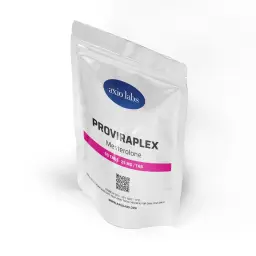
For Oral Administration
Composition: Mesterolone
Dosage: 25 mg/tablet
Unit: 50 Tablets
Manufactured by Axiolabs
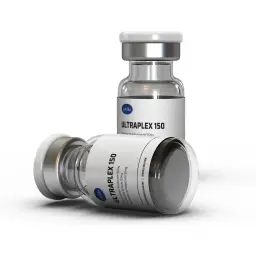
For Intramuscular Injection
Composition:
- Drostanolone Propionate 50 mg
- Testosterone Propionate 50 mg
- Trenbolone Acetate 50 mg
Mixed Dosage: 150 mg/1 mL
Unit: 10 mL Multidose Vial
Manufactured by Axiolabs
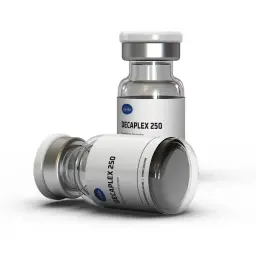
For Intramuscular Injection
Composition: Nandrolone Decanoate
Dosage: 250 mg/1 mL
Unit: 10 mL Multidose Vial
Manufactured by Axiolabs
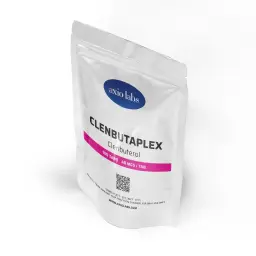
For Oral Administration
Composition: Clenbuterol Hydrochloride
Dosage: 40 mcg/tablet
Unit: 100 Tablets
Manufactured by Axiolabs
Laboratory Test: View Lab Report
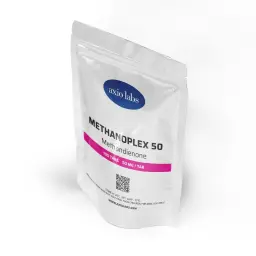
For Oral Administration
Composition: Methandienone
Dosage: 50 mg/tablet
Unit: 100 Tablets
Manufactured by Axiolabs