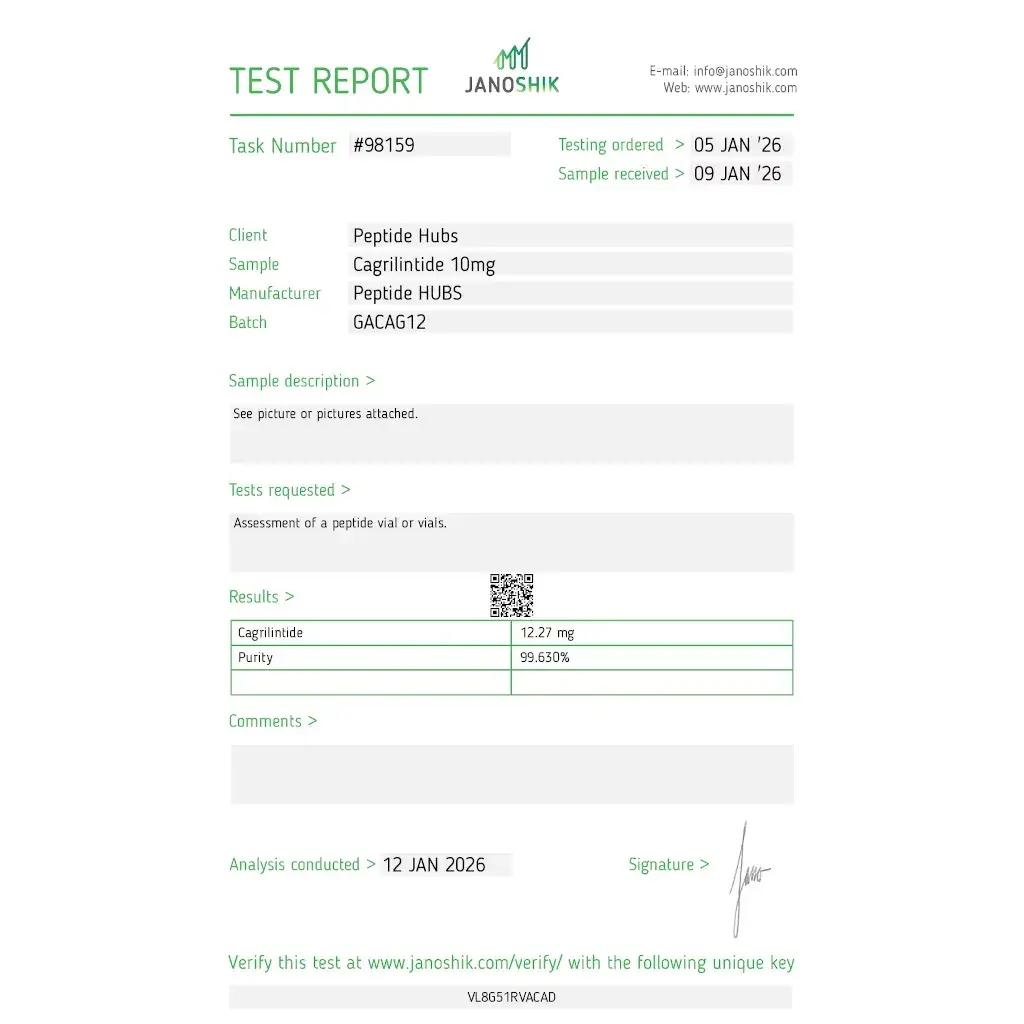

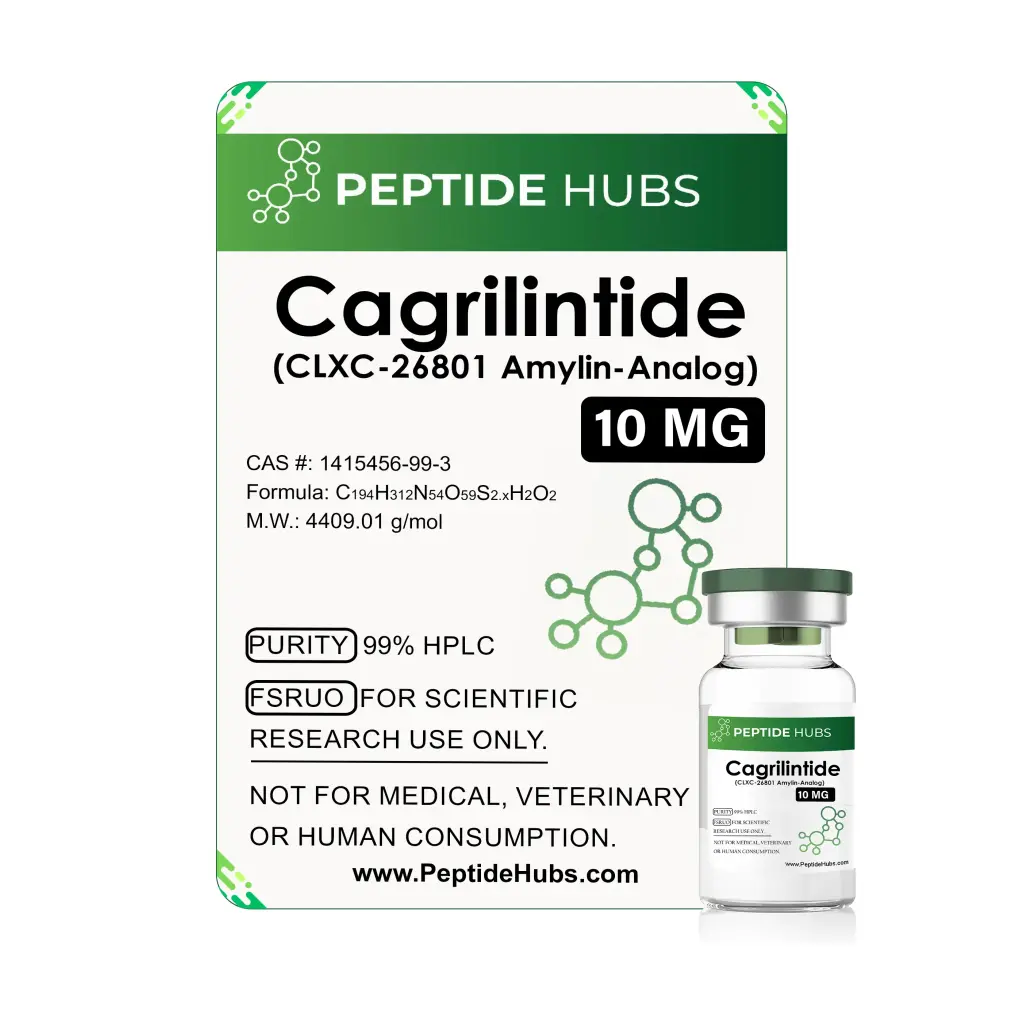
Drug Class: Amylin Analog
Composition: Cagrilintide Acetate
Dosage: 10 mg/vial
Form: Lyophilized Powder
Unit: 2 mL Vial
Brand: Peptide Hubs
For Research and Laboratory Use Only
Laboratory Test: View Lab Report
For researchers at the forefront of metabolic science and weight management, Peptide Hubs introduces its premium Cagrilintide 10 mg. This long-acting amylin analogue represents a significant leap forward in the study of appetite regulation and energy expenditure. Sourced and stocked within the USA, our Cagrilintide is supplied as a highly pure, lyophilized powder in a sterile 2 mL vial, ensuring stability and precise dosing for advanced research protocols.
As a trusted leader in research compounds, Peptide Hubs guarantees the highest standards of purity and product integrity. When you buy Cagrilintide USA from us, you are investing in a reliable, potent, and consistent research chemical backed by our commitment to excellence and fast, discreet domestic shipping.
Cagrilintide is a novel, long-acting acylated amylin analogue that mimics the activity of the naturally occurring hormone amylin. Amylin is co-secreted with insulin by the pancreas and plays a crucial role in regulating blood glucose, satiety, and gastric emptying. A study published in The Lancet highlighted cagrilintide's potent weight-loss effects in clinical trials, demonstrating its potential as a powerful tool for metabolic research. Its engineered structure provides a significantly extended half-life compared to the native hormone, allowing for sustained research effects with less frequent administration.
Understanding how Cagrilintide works is key to its research application. Its primary mechanisms are multifaceted and potent:
In research settings, the effects of Cagrilintide are profound and directly target the mechanisms of weight management. Key observed outcomes include:
Important: The following information is based on emerging research protocols and is provided for educational purposes only. Researchers must consult current scientific literature to determine appropriate dosages for their specific models.
Cagrilintide is administered via subcutaneous injection. Due to its long half-life of approximately 7-8 days, it is typically administered once weekly. Research dosages are still being defined, but clinical trials have explored a range from 0.5 mg to 4.5 mg administered once weekly.
Reconstitution: The lyophilized powder must be reconstituted with Bacteriostatic Water (Bac Water). Reconstituting a 10 mg vial with 2 mL of Bac Water yields a concentration of 5 mg per mL. A 0.1 mL injection would then deliver a 0.5 mg dose. Proper aseptic technique is crucial. Peptide Hubs offers pharmaceutical-grade Bac Water for this purpose.
Research cycles with Cagrilintide are typically long-term, reflecting its use in chronic weight management studies. Cycles often range from 12 to 24 weeks to observe significant and sustained metabolic changes. Its unique mechanism makes it an excellent candidate for powerful combination research.
Here are advanced research stacks involving Peptide Hubs Cagrilintide:
Based on clinical research, the side effects of Cagrilintide are primarily related to its mechanism of action on the GI tract and are generally mild to moderate, often subsiding with continued use. Researchers should monitor for:
Notably, Cagrilintide does not exhibit androgenic, estrogenic, or progestogenic activity and has no known impact on the HPTA axis.
Choosing to buy Cagrilintide USA from Peptide Hubs means securing a cutting-edge research compound of uncompromising quality. We understand the critical nature of consistency and purity in metabolic research. Our products are manufactured to the highest standards, and our direct USA distribution ensures your research is never delayed. Trust Peptide Hubs to be your source for the most advanced peptides in the scientific landscape.
Name: Cagrilintide
Drug Class: Long-Acting Amylin Analogue
Other common names and terms: AM-833
Active Life: 7-8 days
Detection Time: Not well-established; estimated 2-3 weeks
Chemical Structure: Acylated Amylin Analogue
Common Doses: 0.5 mg - 4.5 mg, administered once weekly
Blood pressure: May cause a slight decrease
Acne: No significant effect reported
Water retention: No significant effect reported
Aromatisation: Does not aromatize
Liver toxicity: No liver toxicity reported
Decrease HPTA function: No significant suppression of the HPTA axis
Cagrilintide, Semaglutide, and Tirzepatide all promote weight loss but through different primary pathways. Semaglutide is a GLP-1 receptor agonist, primarily reducing appetite and food intake. Tirzepatide is a dual GIP and GLP-1 receptor agonist. Cagrilintide, however, is an amylin analogue. It mimics the natural hormone amylin, suppressing appetite, slowing gastric emptying, and suppressing glucagon. This unique mechanism offers a different pathway for research, and early studies on its combination with Semaglutide show potentially synergistic, powerful effects.
Due to its engineered long-acting structure, Cagrilintide has a half-life of approximately one week. This allows for a convenient once-weekly administration schedule in research protocols. This less frequent dosing can be advantageous for long-term studies on weight management and metabolic health compared to daily-administered compounds.
The most frequently observed side effects are gastrointestinal in nature and are a direct extension of its pharmacological action. These include nausea, vomiting, diarrhea, and constipation. These effects are typically dose-dependent and are most common during the initial phase of research. They often diminish as the research subject adapts to the compound.
Yes, Cagrilintide is an excellent candidate for combination research. Its most powerful stack appears to be with GLP-1 agonists like Semaglutide, targeting multiple satiety pathways. It can also be stacked with peptides that enhance fat oxidation, like AOD 9604, or with growth hormone secretagogues like Tesamorelin/Ipamorelin to study the preservation of lean mass during significant weight loss.
Before reconstitution, the lyophilized powder should be stored refrigerated between 2°C and 8°C (36°F and 46°F) and protected from light. After reconstitution with Bacteriostatic Water, the solution must be refrigerated and is typically stable for several weeks (refer to specific laboratory guidelines). Always use aseptic techniques to prevent microbial contamination.
Review this product and help others make an informed decision. Log in to leave your feedback.
Drug Class: Synthetic Pentadecapeptide
Composition: BPC 157
Dosage: 5 mg/vial
Form: Lyophilized Powder
Unit: 2 mL Vial
Brand: Peptide Hubs
Laboratory Test: View Lab Report
For Research and Laboratory Use Only
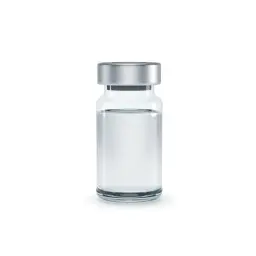
Drug Class: Nootropic & Neuroprotective Peptide
Composition: Semax
Dosage: 5 mg/vial
Form: Lyophilized Powder
Unit: 2 mL Vial
Brand: Peptide Hubs
For Intranasal or Subcutaneous Administration
Laboratory Test: View Lab Report
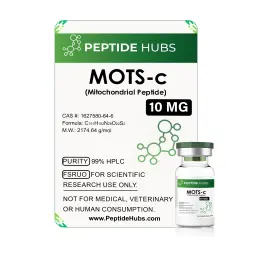
Drug Class: Mitochondrial-Derived Peptide
Composition: MOTS-c (Mitochondrial Open Reading Frame of the 12S rRNA-c)
Dosage: 10 mg/vial
Form: Lyophilized (Freeze-Dried) Powder
Unit: 2 mL Vial
Brand: Peptide Hubs
Laboratory Test: View Lab Report
For Research and Laboratory Use Only
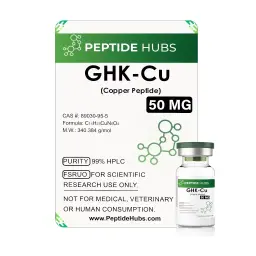
Drug Class: Copper-Binding Tripeptide
Composition: GHK-Cu (Gly-His-Lys)
Dosage: 50 mg/vial
Form: Lyophilized Powder
Unit: 2 mL Vial
Brand: Peptide Hubs
Laboratory Test: View Lab Report
For Research and Laboratory Use Only
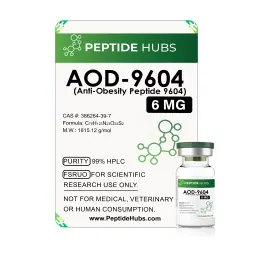
Drug Class: Synthetic Peptide Fragment
Composition: AOD 9604
Dosage: 5 mg/vial
Form: Lyophilized Powder
Unit: 2 mL Vial
Brand: Peptide Hubs
For Research and Laboratory Use Only
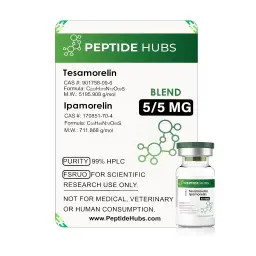
Drug Class: Growth Hormone Secretagogue Blend (GHRH Analog + GHRP)
Composition:
- Tesamorelin 5 mg
- Ipamorelin 5 mg
Dosage: 10 mg/vial
Form: Lyophilized Powder
Unit: 2 mL Vial
Brand: Peptide Hubs
Laboratory Test: View Lab Report
For Subcutaneous Injection
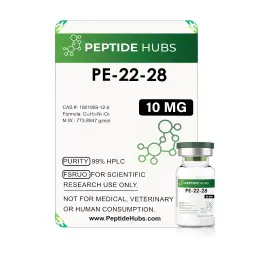
Drug Class: Nootropic / Neuropeptide
Composition: PE-22-28 (Lyophilized Powder)
Dosage: 100-300 mcg per day
Form: Lyophilized Powder in 2 mL Vial
Unit: 10 mg per Vial
Brand: Peptide Hubs
Laboratory Test: View Lab Report
For Research Use Only