


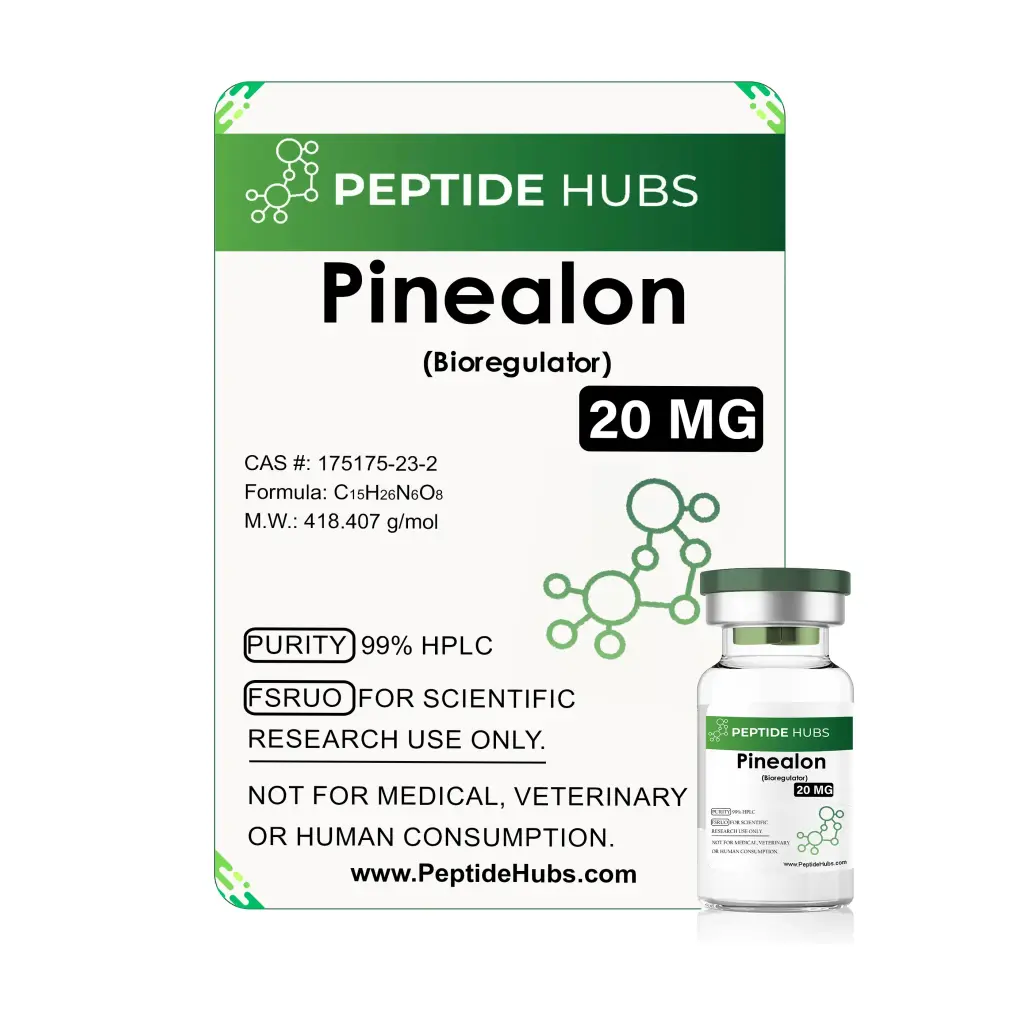
Drug Class: Synthetic Tripeptide (Neuropeptide)
Composition: Pinealon (Glu-Asp-Arg)
Dosage: 20 mg/vial
Form: Lyophilized (Freeze-Dried) Powder
Unit: 2 mL Sterile Vial
Brand: Peptide Hubs
For Research Use in Laboratory Settings Only.
In the relentless pursuit of peak physical and cognitive performance, the health of the nervous system and cellular energy factories—mitochondria—becomes paramount. Peptide Hubs Pinealon 20 mg offers researchers a sophisticated synthetic tripeptide (Glu-Asp-Arg) designed to explore the intricate regulation of neuronal differentiation, oxidative stress responses, and mitochondrial bioenergetics. For bodybuilders, biohackers, and fitness scientists in the USA, Pinealon represents a cutting-edge research tool to investigate enhanced cognitive resilience, improved recovery from neural fatigue, and potential support for mitochondrial efficiency under metabolic stress. When you choose to buy Pinealon USA from Peptide Hubs, you secure a high-purity, precisely dosed compound for legitimate, in-depth study of neuroprotective and metabolic optimization pathways.
Pinealon's sequence (Glutamic Acid-Aspartic Acid-Arginine) is engineered to influence fundamental cellular processes. Preclinical research indicates it modulates gene expression related to synaptic plasticity, enhances the activity of key mitochondrial enzymes like cytochrome c oxidase, and regulates responses to oxidative stress. This positions Pinealon not as a direct stimulant, but as a potential modulator of cellular resilience and energy production. For athletes subjecting their bodies and minds to extreme stress from intense training, caloric deficits, or demanding pharmacological stacks, understanding these mechanisms is crucial. Peptide Hubs ensures each 20 mg vial contains ultra-pure, lyophilized peptide synthesized under strict quality control, providing researchers with a reliable substrate for reproducible experiments on neural and metabolic homeostasis.
The research interest in Pinealon centers on its potential to optimize the cellular environment for peak neurological and metabolic function. Its primary theoretical effects are threefold. First, mitochondrial support: By upregulating mitochondrial enzyme activity, Pinealon may enhance ATP production efficiency, particularly in energy-demanding tissues like neurons and muscle cells. This could translate to research models showing improved endurance, reduced central nervous system (CNS) fatigue, and faster recovery between high-intensity efforts. Second, neuroprotection and plasticity: Its influence on gene expression linked to neuronal differentiation and synaptic plasticity suggests a role in supporting cognitive function, motor learning, and resilience to neurological stress—a valuable area of study for athletes managing the psychological demands of competition or intense cutting phases.
Third, oxidative stress modulation: Intense exercise and certain performance-enhancing compounds generate significant oxidative stress. Pinealon's potential to regulate cellular antioxidant responses makes it a compound of interest for studying recovery and longevity at the cellular level. This tripartite action—energy, cognition, and cellular defense—makes Pinealon a versatile research agent. Its mechanisms are distinct from, but potentially complementary to, other cognitive peptides like Semax 5 mg or mitochondrial-focused compounds like MOTS-c 10 mg, allowing for complex, multi-target research designs.
As a specialized research chemical, proper handling is essential for valid results. The Peptide Hubs Pinealon is supplied as a 20 mg lyophilized powder. For experimental use, reconstitution with sterile bacteriostatic water is standard. Adding 2 mL of diluent yields a concentration of 10 mg/mL, which is convenient for precise dosing. Based on available preclinical literature, effective research doses in animal models are typically in the range of 50 to 200 micrograms per kilogram of body weight, administered via subcutaneous or intraperitoneal injection.
For research protocols investigating chronic adaptation, daily administration over a period of 2 to 8 weeks is common to observe changes in gene expression, enzyme activity, and behavioral or performance markers. Due to its peptide nature and presumed short half-life, once-daily or twice-daily dosing may be implemented to maintain stable biological activity. In cell culture research, concentrations are typically in the low micromolar range. Researchers should aliquot the reconstituted solution and store it at -20°C for long-term stability, keeping a working aliquot refrigerated (2-8°C) for use within one week to prevent degradation and ensure experimental consistency.
In a hypothetical research framework focused on holistic performance enhancement, Pinealon would be studied as a foundational "support" agent for the brain and cellular energy systems, particularly useful during periods of high stress or specific goal-oriented phases.
For Cognitive Performance & Focus Research: To study enhanced mental clarity and drive during intense training blocks, Pinealon could be researched alongside nootropic peptides. A stack with N-Acetyl Semax Amidate 30 mg (for BDNF modulation) and Selank 10 mg (for anxiety modulation) could create a comprehensive model for investigating optimal neurochemical states for peak training focus and technique execution.
For Recovery & Overtraining Syndrome Studies: During heavy bulking cycles or extreme contest prep, CNS fatigue is a major limiter. Pinealon could be researched in conjunction with recovery-specific peptides. A combination with DSIP 10 mg (for deep sleep enhancement) and BPC 157 5 mg (for systemic healing) could provide a multi-angled model for studying accelerated physical and neural recovery from overreaching.
For Mitochondrial Enhancement & Endurance: To investigate improvements in stamina and metabolic efficiency, Pinealon could be paired with other mitochondrial agents. Researching it alongside ARA-290 16 mg (which targets innate repair receptors) and the metabolic modulator AICAR 50 mg could yield insights into synergistic effects on cellular energy sensing (AMPK pathway) and endurance capacity.
For Cellular Longevity & Detoxification Support: During cycles involving hepatotoxic compounds, researching cellular protection is valuable. Pinealon's antioxidant potential could be studied with L-Glutathione 600 mg (the body's master antioxidant) and Livagen 20 mg (a peptide fragment with regenerative properties) to create a model for investigating systemic resilience and detoxification pathways.
Based on the existing scientific literature on short-chain regulatory peptides, Pinealon is generally considered to have a high safety margin in preclinical research. As a tripeptide composed of endogenous amino acids, it is typically well-tolerated in experimental models. Potential research observations at very high, supraphysiological doses might include transient changes in behavior due to its neuroactive properties or minor, transient disruptions in electrolyte balance, but these are not commonly reported at standard research doses.
There are no known androgenic, estrogenic, or hepatotoxic effects associated with Pinealon. Crucially, it does not suppress the hypothalamic-pituitary-testicular axis (HPTA), making it neutral from an endocrine perspective in research scenarios involving hormonal manipulation. The primary safety consideration, as with all research peptides, is sterility and purity. The use of a non-certified product risks pyrogen contamination or the presence of impurities that could cause inflammatory responses or invalidate data. Peptide Hubs' adherence to GMP standards and provision of third-party Certificates of Analysis (CoA) mitigate this risk. Researchers can reference foundational studies on neuropeptides and mitochondrial function through resources like the PubMed database maintained by the U.S. National Library of Medicine for broader context.
Pinealon occupies a distinct niche in performance research. Unlike stimulants that force neuronal activity or anabolics that build tissue, Pinealon is investigated for its potential to optimize the underlying health and efficiency of neural and energy systems. It represents a "bottom-up" approach: supporting the cellular infrastructure so that other performance interventions—training, nutrition, pharmacology—can yield their maximum effect with greater resilience. Research into compounds like Pinealon is at the forefront of "health-span" extension within athletic contexts, seeking not just immediate performance but sustainable high function. This makes it a compound of significant interest for longitudinal studies on athlete longevity, cognitive maintenance under pressure, and recovery from exhaustive training cycles.
The credibility of neuroscience and mitochondrial research hinges on the quality of the tools employed. Peptide Hubs' Pinealon is manufactured in state-of-the-art facilities with identity and purity verified through tandem techniques like HPLC and mass spectrometry. Each batch is accompanied by a comprehensive Certificate of Analysis, confirming the peptide sequence, purity (>99%), and absence of harmful contaminants. This transparent, quality-first approach ensures that researchers are working with a compound whose specifications are exact and reproducible. For laboratories and advanced research programs in the USA aiming to buy Pinealon for pioneering studies on neural energy, cognitive resilience, and mitochondrial optimization, Peptide Hubs delivers the pharmaceutical-grade standard essential for generating robust, publishable scientific data.
Name: Pinealon
Drug Class: Synthetic Regulatory Tripeptide
Other common names and terms: Glu-Asp-Arg, EDR Peptide
Active Life: Short (estimated several hours)
Detection Time: Not applicable/Not screened for in sports
Chemical Structure: Tripeptide (L-Glutamyl-L-α-Aspartyl-L-Arginine)
Common Doses: Research doses range ~50-200 mcg/kg in preclinical models (SC/IP).
Blood pressure: No known hypertensive effect; may support vascular health via nitric oxide (from Arg).
Acne: No (Non-androgenic).
Water retention: No estrogenic activity to cause water retention.
Aromatisation: No (Non-estrogenic).
Liver toxicity: No hepatotoxicity; may support hepatic function via antioxidant effects.
Decrease HPTA function: No known suppressive effect on the testosterone axis.
In fitness and performance research, Pinealon is primarily studied for its potential effects on: 1) Mitigating central nervous system (CNS) fatigue and improving recovery between intense training sessions, 2) Enhancing mitochondrial efficiency for better energy production in neurons and muscle cells, and 3) Supporting cognitive function and motor learning under conditions of physical and metabolic stress, such as during cutting phases or heavy training loads.
For cell culture research, reconstitute the vial with sterile, pyrogen-free water or a suitable sterile buffer like PBS to achieve your desired concentration. For example, adding 1 mL creates a 20 mg/mL stock solution. This stock should then be filter-sterilized (0.22 µm filter) and aliquoted. Further dilute this stock into your cell culture media to achieve the final working concentration, typically in the low micromolar (µM) range based on your experimental design.
Yes, from a research perspective, they can be co-administered in studies. Pinealon operates on cellular resilience pathways, while stimulants work on immediate neurotransmitter release. A research hypothesis could be that Pinealon might mitigate the neural oxidative stress or "crash" associated with strong stimulants, allowing for a model that studies sustained cognitive and physical performance with reduced side effects.
Potentially, yes. PCT is a period of heightened physical and psychological stress as hormone levels fluctuate. Research could investigate whether Pinealon's theoretical support for mitochondrial function and neural resilience helps maintain cognitive sharpness, training motivation, and overall energy levels during this critical recovery phase, potentially aiding in the retention of gains.
Peptide Hubs guarantees quality through a multi-step verification process: 1) Synthesis in ISO-certified labs, 2) Purification via HPLC to >99% purity, 3) Verification of amino acid sequence and molecular weight via Mass Spectrometry, 4) Sterility and endotoxin testing, and 5) Provision of a batch-specific Certificate of Analysis (CoA) from an independent, accredited laboratory. This ensures researchers receive a product fit for rigorous scientific study.
Review this product and help others make an informed decision. Log in to leave your feedback.
Drug Class: Growth Hormone-Releasing Hormone (GHRH) Analog
Composition: Sermorelin
Dosage: 5 mg/vial
Form: Lyophilized Powder
Unit: 2 mL Vial
Brand: Peptide Hubs
For Subcutaneous Injection
Laboratory Test: View Lab Report
Drug Class: Synthetic Peptide Fragment
Composition: AOD 9604
Dosage: 5 mg/vial
Form: Lyophilized Powder
Unit: 2 mL Vial
Brand: Peptide Hubs
For Research and Laboratory Use Only
Drug Class: Melanocortin Receptor Agonist
Composition: Bremelanotide
Dosage: 10 mg/vial
Form: Lyophilized Powder
Unit: 2 mL Vial
Brand: Peptide Hubs
Laboratory Test: View Lab Report
For Subcutaneous Injection
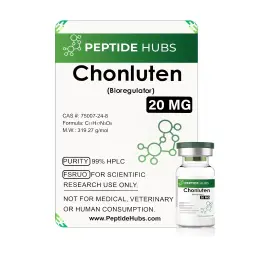
Drug Class: Synthetic Lung Tissue Bioregulator Peptide
Composition: Chonluten (Lung-derived peptide complex)
Dosage: 20 mg/vial
Form: Lyophilized (Freeze-Dried) Powder
Unit: 2 mL Sterile Vial
Brand: Peptide Hubs
For Research Use in Laboratory Settings Only.
Laboratory Test: View Lab Report
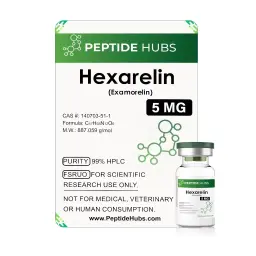
Drug Class: Growth Hormone-Releasing Peptide (GHRP-6 Analog)
Composition: Examorelin (Hexarelin)
Dosage: 5 mg/vial
Form: Lyophilized (Freeze-Dried) Powder
Unit: 2 mL Sterile Vial
Brand: Peptide Hubs
For Research Use in Laboratory Settings Only.
Laboratory Test: View Lab Report
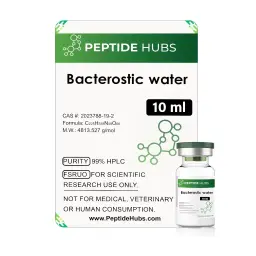
Drug Class: Sterile Diluent & Preservative
Composition: Sterile Water with 0.9% Benzyl Alcohol
Dosage: 10 mL/vial
Unit: 10 mL Vial
Brand: Peptide Hubs
Laboratory Test: View Lab Report
For Reconstitution of Lyophilized Peptides
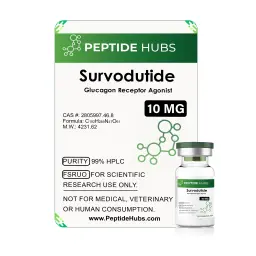
Drug Class: Glucagon/GLP-1 Receptor Dual Agonist
Composition: Survodutide (BI 456906)
Dosage: 10 mg/vial
Form: Lyophilized (Freeze-Dried) Powder
Unit: 2 mL Sterile Vial
Brand: Peptide Hubs
For Research Use in Laboratory Settings Only.
Laboratory Test: View Lab Report
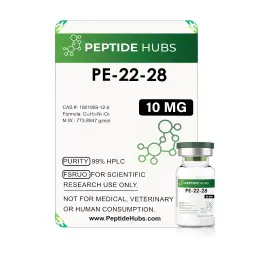
Drug Class: Nootropic / Neuropeptide
Composition: PE-22-28 (Lyophilized Powder)
Dosage: 100-300 mcg per day
Form: Lyophilized Powder in 2 mL Vial
Unit: 10 mg per Vial
Brand: Peptide Hubs
Laboratory Test: View Lab Report
For Research Use Only