
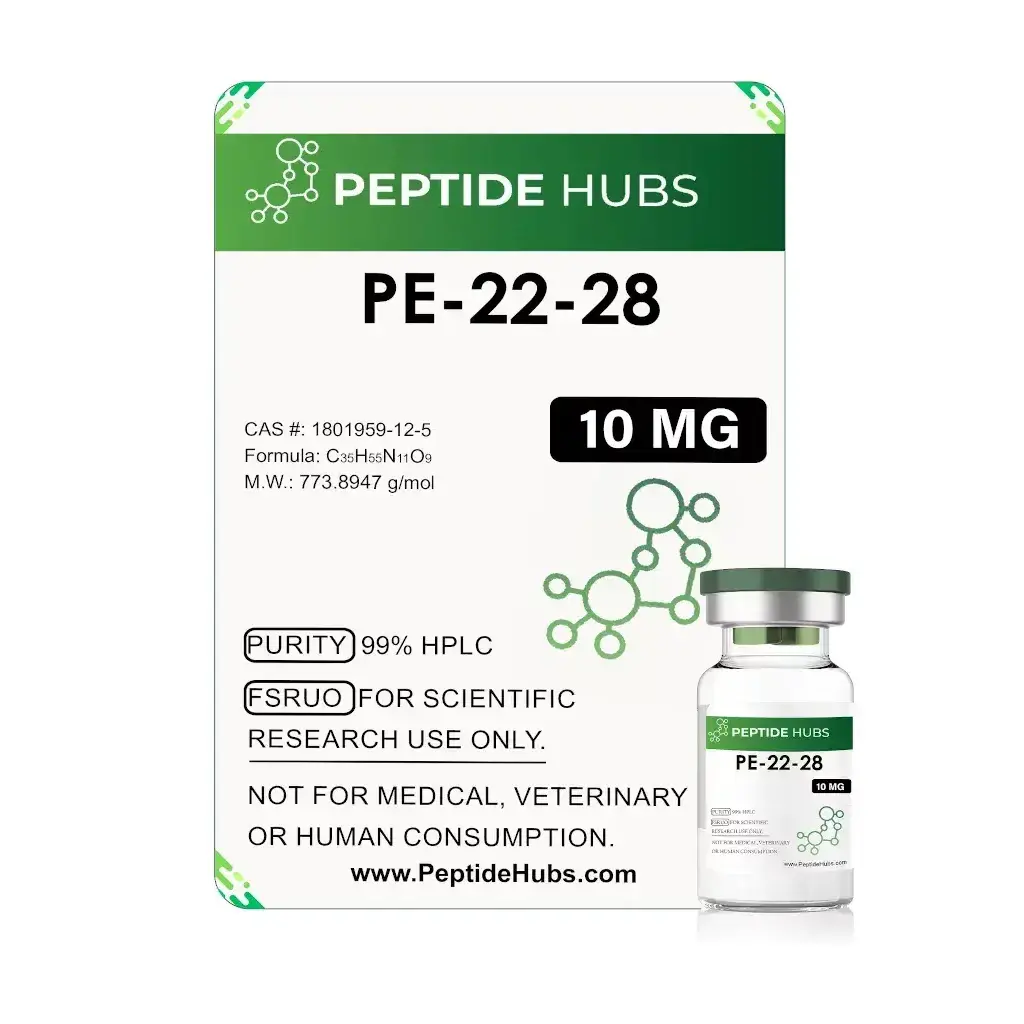
Drug Class: Nootropic / Neuropeptide
Composition: PE-22-28 (Lyophilized Powder)
Dosage: 100-300 mcg per day
Form: Lyophilized Powder in 2 mL Vial
Unit: 10 mg per Vial
Brand: Peptide Hubs
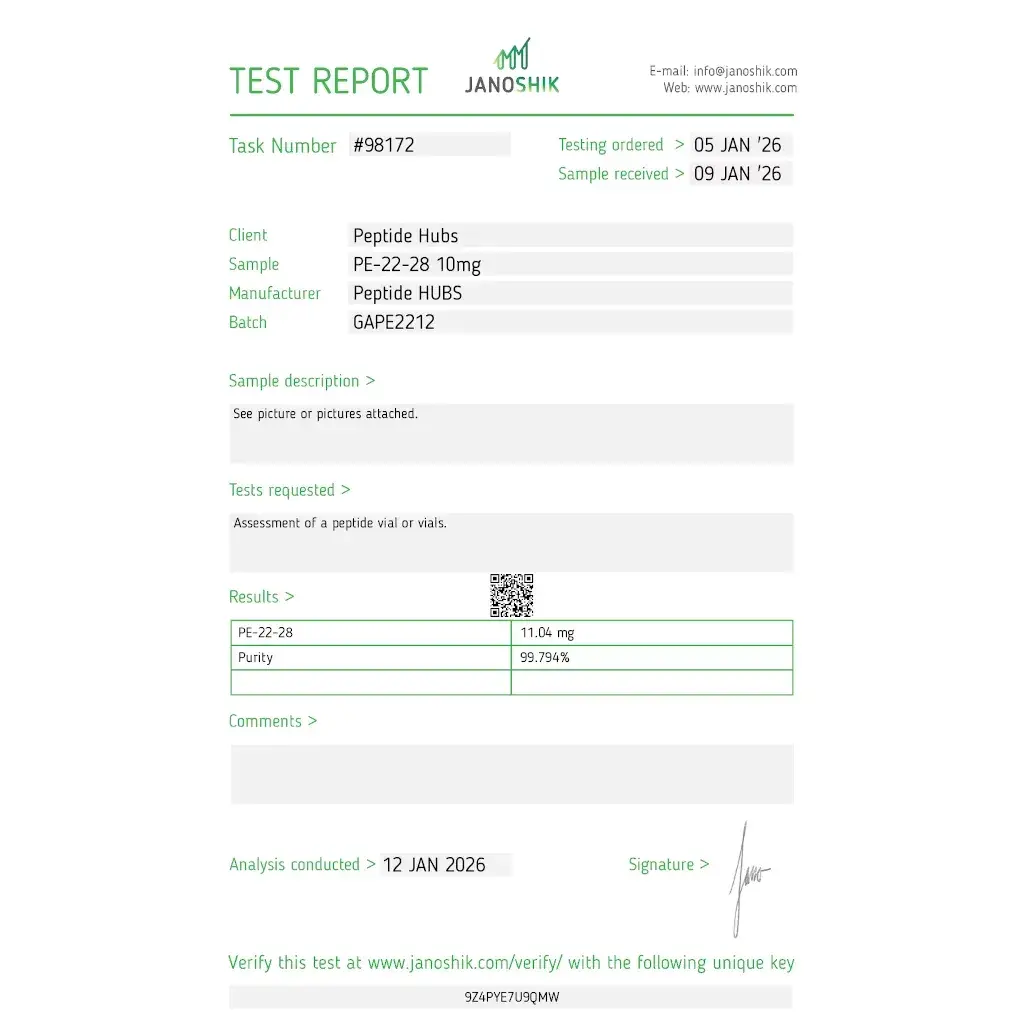
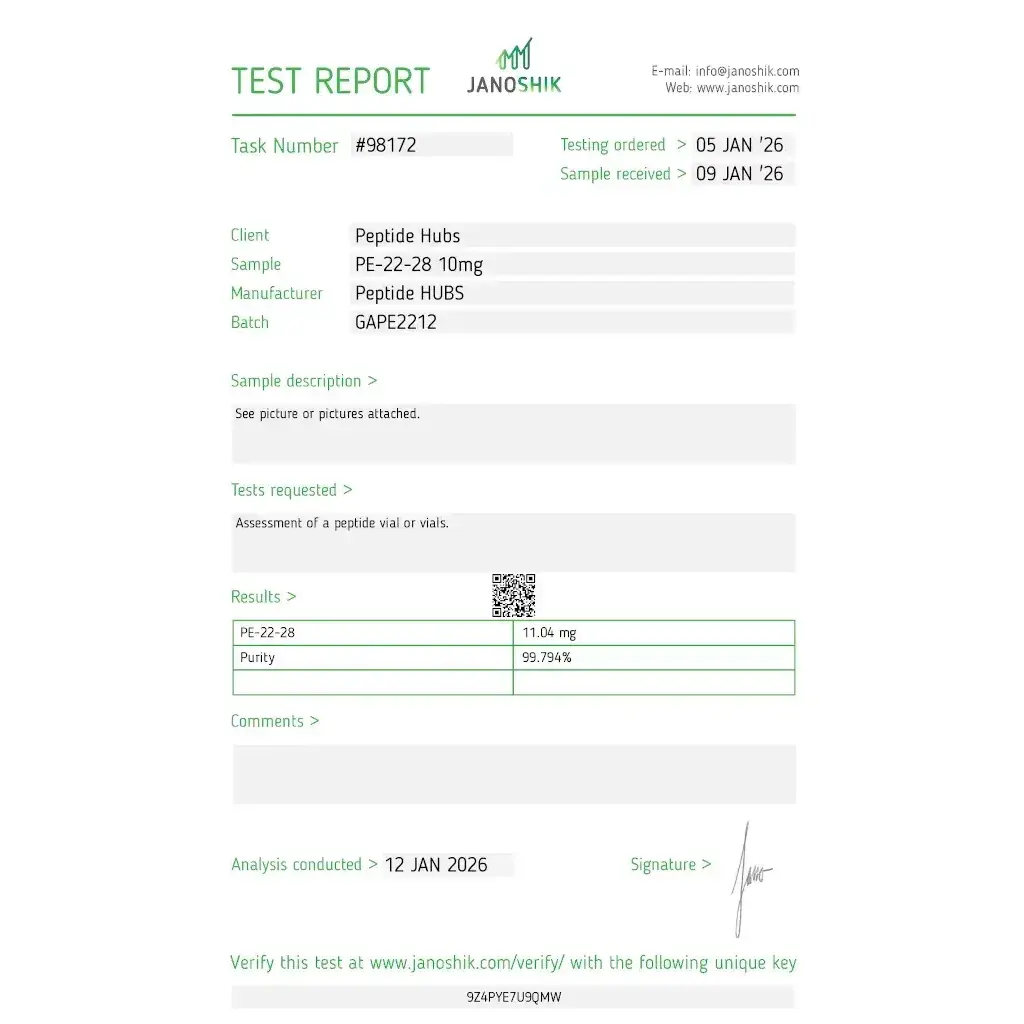
Laboratory Test: View Lab Report
For Research Use Only
For the serious biohacker, bodybuilder, and fitness enthusiast looking to gain a mental edge, the ability to buy PE-22-28 USA from a trusted source is paramount. At Peptide Hubs, we provide this cutting-edge nootropic peptide in its purest form. PE-22-28 is a synthetic peptide fragment derived from the naturally occurring protein fibroblast growth factor 2 (FGF-2). While FGF-2 is known for its role in tissue repair and growth, this specific fragment has garnered significant attention for its unique effects on the central nervous system, specifically regarding memory, mood, and synaptic plasticity.
In the high-stakes world of fitness and physique development, recovery isn't just about muscles; it's also about the central nervous system. Intense training cycles can lead to mental fatigue, brain fog, and diminished focus. This is where PE-22-28 enters the conversation. It operates by modulating glutamate receptors in the brain, a key mechanism for learning and memory. By potentially reducing AMPA receptor internalization, it helps maintain efficient communication between neurons. For those managing complex supplement stacks and demanding training schedules, a sharp mind is just as crucial as a strong body. This is why researchers and advanced users are increasingly looking to buy Peptide Hubs PE-22-28 to support their cognitive baseline during intense physical cycles.
Our 10 mg lyophilized powder is presented in a sterile 2 mL vial, ensuring maximum stability and purity from the moment you receive it. As with all Peptide Hubs products, rigorous standards are applied to guarantee you are receiving a high-quality research compound. To understand the science behind neuropeptides and their role in brain health, resources like the National Library of Medicine (PubMed) offer a wealth of peer-reviewed studies on compounds like PE-22-28 and their interaction with neurological pathways.
The primary interest in PE-22-28 lies in its nootropic and neuroprotective profile. Unlike traditional stimulants that offer a temporary jolt of energy followed by a crash, PE-22-28 is researched for its ability to enhance the underlying mechanisms of cognitive function. Key areas of effect include:
Determining the optimal dosage is a critical part of any research protocol. Due to its potency, PE-22-28 requires precise measurement and administration. It is typically administered via subcutaneous injection after being properly reconstituted with bacteriostatic water. It is imperative to use an insulin syringe for accurate dosing.
When structuring a research cycle with PE-22-28, the focus is often on achieving a balance between intervention and assessment. Unlike anabolic compounds, peptides like this are often used in cycles designed to upregulate physiological processes without causing desensitization. Many researchers combine cognitive peptides with other supportive compounds for a comprehensive approach to wellness.
A standard research cycle for PE-22-28 might last 4 to 8 weeks. For example, a 30-day cycle at 200 mcg/day would allow for observation of its effects on cognitive function and stress resilience. Following this, a break of 2 to 4 weeks is common before initiating another cycle. This allows the researcher to evaluate the lasting impact of the compound.
For those looking to build a comprehensive recovery and wellness stack, you might consider pairing this cognitive enhancer with compounds that support physical repair and sleep architecture. For instance, including BPC 157 in a cycle can synergistically support gut health and soft tissue repair, which is often taxed during heavy training. Additionally, for improving sleep quality and aiding physical recovery, many researchers turn to DSIP (Delta Sleep-Inducing Peptide) to ensure deep, restorative rest that is crucial for both mental and physical gains.
As a research chemical, the side effect profile of PE-22-28 is still under investigation, and it is not intended for human consumption. However, based on its mechanism of action and preliminary research, potential side effects to monitor for in a research setting could include:
Name: PE-22-28
Drug Class: Nootropic, Neuropeptide, Cognitive Enhancer
Other common names and terms: FGF-2 Fragment, Fibroblast Growth Factor Fragment, Peptide 22-28
Active Life: Estimated 4-6 hours
Detection Time: Not typically screened for in standard panels; research compound.
Chemical Structure: Synthetic peptide fragment (Sequence: Gly-Ser-Glu-Asn-Tyr-His-Gly)
Common Doses: 100-300 mcg per day
Blood pressure: No known direct effect.
Acne: Not associated.
Water retention: Not associated.
Aromatisation: Does not aromatize.
Liver toxicity: Not considered hepatotoxic.
Decrease HPTA function: Does not suppress the HPTA axis.
No, PE-22-28 is distinct from traditional growth hormone secretagogues (like GHRP-2 or Ipamorelin). While it is a fragment of FGF-2, its primary mechanism targets neurological pathways and glutamate receptors for cognitive enhancement, rather than directly stimulating the pituitary gland for growth hormone release.
To reconstitute your 10 mg vial of PE-22-28, you will need bacteriostatic water. Draw 1-2 mL of bacteriostatic water and slowly inject it down the side of the vial onto the lyophilized powder. Do not shake violently; instead, swirl gently until the powder is completely dissolved. Store the reconstituted solution in the refrigerator.
Yes, researchers often explore stacking PE-22-28 with other nootropic peptides like Semax or Selank. However, due to its unique mechanism on glutamate receptors, it is crucial to introduce only one variable at a time in a research setting to accurately assess its individual effects before combining it with other compounds.
When you choose to buy Peptide Hubs PE-22-28 from us, you are selecting a product that prioritizes purity and quality. We understand the importance of reliable research materials. Our peptides are sourced from reputable laboratories and undergo rigorous testing to ensure you receive a premium product for your investigative protocols.
As a peptide, PE-22-28 is understood to have a relatively short half-life, likely in the range of a few hours. This is why once-daily dosing is a common protocol. Its short active life makes it suitable for targeted intervention without prolonged systemic exposure.
Review this product and help others make an informed decision. Log in to leave your feedback.
Drug Class: Nootropic & Neuroprotective Peptide
Composition: Semax
Dosage: 5 mg/vial
Form: Lyophilized Powder
Unit: 2 mL Vial
Brand: Peptide Hubs
For Intranasal or Subcutaneous Administration
Laboratory Test: View Lab Report
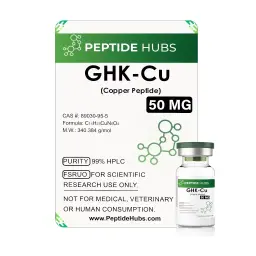
Drug Class: Copper-Binding Tripeptide
Composition: GHK-Cu (Gly-His-Lys)
Dosage: 50 mg/vial
Form: Lyophilized Powder
Unit: 2 mL Vial
Brand: Peptide Hubs
Laboratory Test: View Lab Report
For Research and Laboratory Use Only
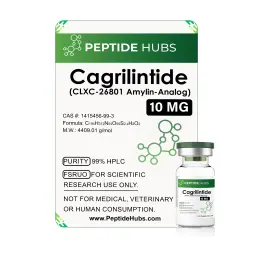
Drug Class: Amylin Analog
Composition: Cagrilintide Acetate
Dosage: 10 mg/vial
Form: Lyophilized Powder
Unit: 2 mL Vial
Brand: Peptide Hubs
For Research and Laboratory Use Only
Laboratory Test: View Lab Report
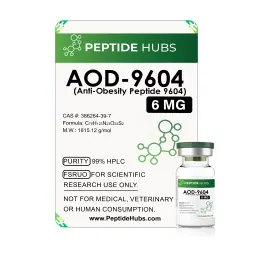
Drug Class: Synthetic Peptide Fragment
Composition: AOD 9604
Dosage: 5 mg/vial
Form: Lyophilized Powder
Unit: 2 mL Vial
Brand: Peptide Hubs
For Research and Laboratory Use Only
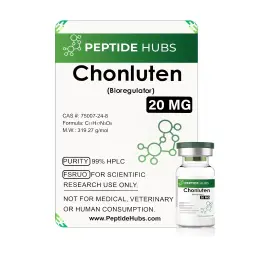
Drug Class: Synthetic Lung Tissue Bioregulator Peptide
Composition: Chonluten (Lung-derived peptide complex)
Dosage: 20 mg/vial
Form: Lyophilized (Freeze-Dried) Powder
Unit: 2 mL Sterile Vial
Brand: Peptide Hubs
For Research Use in Laboratory Settings Only.
Laboratory Test: View Lab Report
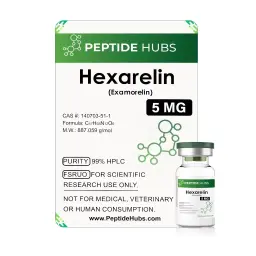
Drug Class: Growth Hormone-Releasing Peptide (GHRP-6 Analog)
Composition: Examorelin (Hexarelin)
Dosage: 5 mg/vial
Form: Lyophilized (Freeze-Dried) Powder
Unit: 2 mL Sterile Vial
Brand: Peptide Hubs
For Research Use in Laboratory Settings Only.
Laboratory Test: View Lab Report
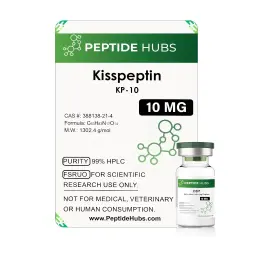
Drug Class: Neuropeptide Hormone Regulator
Composition: Kisspeptin-10
Dosage: 10 mg/vial
Form: Lyophilized Powder
Unit: 2 mL Vial
Brand: Peptide Hubs
For Research Use Only
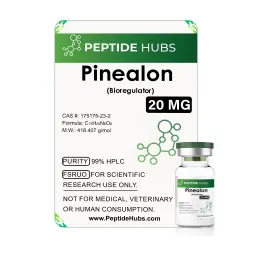
Drug Class: Synthetic Tripeptide (Neuropeptide)
Composition: Pinealon (Glu-Asp-Arg)
Dosage: 20 mg/vial
Form: Lyophilized (Freeze-Dried) Powder
Unit: 2 mL Sterile Vial
Brand: Peptide Hubs
For Research Use in Laboratory Settings Only.