


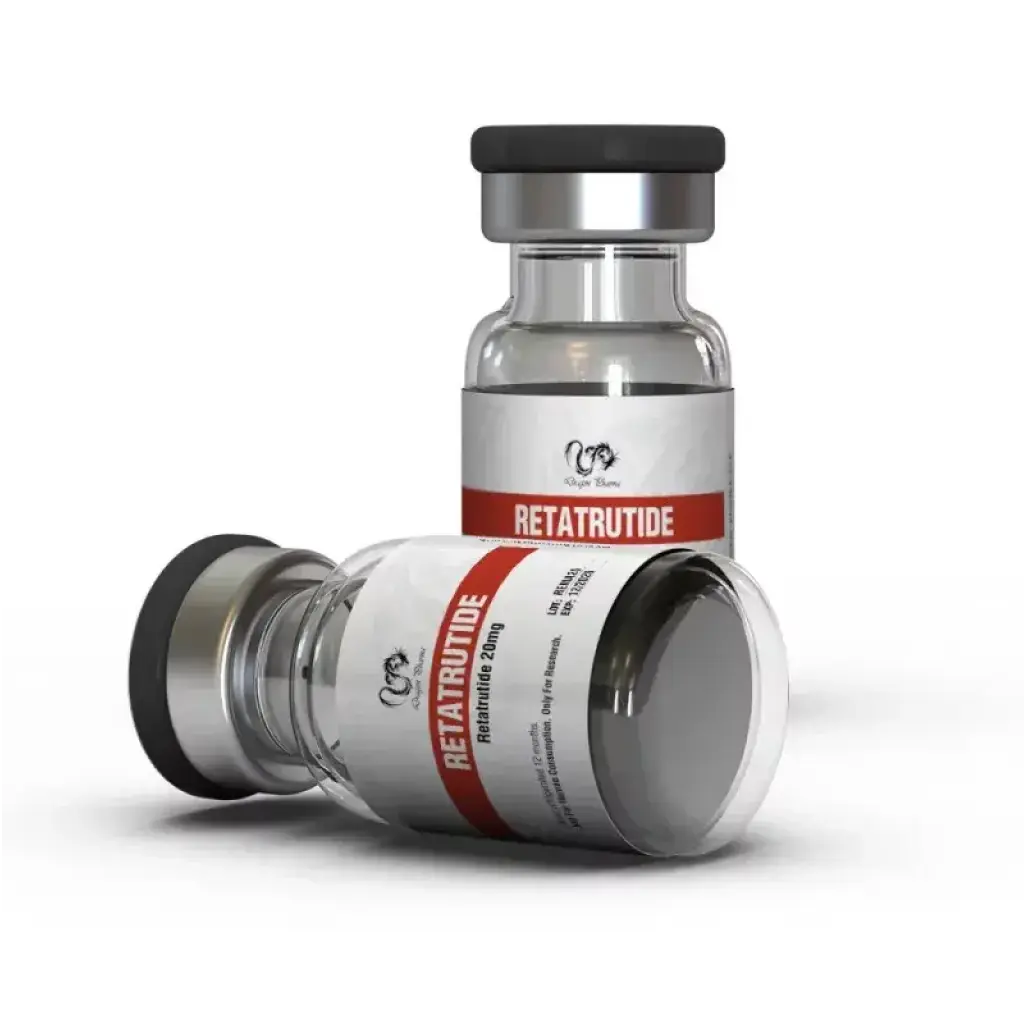
Drug Class: Triple GIP, GLP-1 & Glucagon Receptor Agonist
Composition: Retatrutide
Dosage: 20 mg/vial
Form: Lyophilized Powder
Unit: 2 mL Vial
Brand: Dragon Pharma
For Injection After Reconstitution
For bodybuilders and fitness enthusiasts seeking the next evolution in performance enhancement and body recomposition, Dragon Pharma presents Retatrutide 20mg – a revolutionary peptide that represents the cutting edge of metabolic optimization. As the most advanced triple-receptor agonist available, Retatrutide offers unprecedented potential for simultaneous fat loss and lean mass preservation. This lyophilized powder formulation maintains optimal purity and stability, ensuring maximum bioavailability when reconstituted for subcutaneous administration.
Retatrutide distinguishes itself by simultaneously activating three distinct receptors: glucagon-like peptide-1 (GLP-1), glucose-dependent insulinotropic polypeptide (GIP), and glucagon receptors. This tripartite mechanism delivers synergistic effects far surpassing those of single or dual agonists. The 20mg concentration per vial provides flexibility in dosing protocols, allowing experienced users to titrate according to individual tolerance and specific cycle goals while maintaining Dragon Pharma's renowned quality standards.
Retatrutide exerts profound effects on body composition through multiple physiological pathways. Its primary action involves significant appetite suppression via central nervous system signaling, creating a substantial caloric deficit without the psychological strain of traditional dieting. Concurrently, it enhances insulin sensitivity and glucose disposal, optimizing nutrient partitioning toward muscle tissue rather than adipose storage.
Beyond metabolic effects, Retatrutide demonstrates remarkable benefits for cardiovascular health markers, including reductions in blood pressure and improvements in lipid profiles. For bodybuilders, the compound's ability to preserve lean mass during aggressive cutting phases represents its most valuable attribute. Unlike traditional fat-loss agents that often cause muscle catabolism, Retatrutide's glucagon receptor activity may support metabolic rate and energy expenditure while its anabolic-sparing effects maintain hard-earned muscularity.
The triple-agonist mechanism also influences gastric emptying and digestion, contributing to enhanced satiety and reduced food-seeking behavior. Many users report improved relationship with food, decreased cravings, and sustainable eating patterns that extend beyond the active cycle period. According to research published in the New England Journal of Medicine, Retatrutide demonstrated up to 24% body weight reduction in clinical trials, establishing it as the most efficacious weight management agent currently known.
Proper dosing of Retatrutide requires careful consideration of individual experience, tolerance, and cycle objectives. For beginners initiating peptide therapy, a conservative starting dose of 2-4mg administered once weekly allows assessment of gastrointestinal tolerance and individual response. The 20mg concentration per vial provides approximately 5-10 doses at this introductory level, with reconstitution using bacteriostatic water to achieve precise measurement.
Intermediate users with prior GLP-1 agonist experience typically utilize 6-8mg weekly, often divided into two equal administrations to maintain stable plasma concentrations. Advanced bodybuilders and competitors may employ doses up to 12mg weekly during peak cutting phases, though such protocols require meticulous monitoring of side effects and nutritional status. Regardless of experience level, gradual titration over 4-8 weeks minimizes adverse reactions while optimizing therapeutic response.
Reconstitution protocols vary based on desired concentration, but a standard approach involves adding 2mL of bacteriostatic water to the 20mg vial, creating a solution of 10mg/mL. This concentration facilitates accurate dosing using insulin syringes, with each 0.1mL delivering 1mg of active compound. Refrigeration of both the lyophilized powder and reconstituted solution is essential for maintaining stability and potency throughout the usage period.
Retatrutide cycles should be strategically integrated within comprehensive training and nutrition programs to maximize body recomposition outcomes. A typical cycle spans 12-16 weeks, allowing sufficient time for metabolic adaptation and significant fat loss. The initial 4 weeks focus on dose titration and tolerance establishment, followed by 8-10 weeks at the target therapeutic dose, concluding with a 2-week tapering period to minimize rebound effects.
For body recomposition-focused cycles, Retatrutide pairs exceptionally well with compounds that support muscle preservation and metabolic health. GW501516 enhances fatty acid oxidation and endurance capacity, creating powerful synergy for sustained energy during calorie restriction. MK 677 promotes growth hormone secretion and improves sleep quality, counteracting potential muscle loss and supporting recovery. BPC-157 offers gastrointestinal protection and systemic healing benefits, particularly valuable when managing Retatrutide's digestive side effects.
Performance-oriented stacks might incorporate Cardarine for enhanced endurance and fat utilization, or Testosterone Cypionate for maintaining anabolic signaling during aggressive cutting. Post-cycle therapy should include compounds like Enclomiphene to restore natural hormonal balance, particularly when Retatrutide is combined with androgenic compounds. Regardless of stack composition, regular monitoring of body composition, blood markers, and subjective wellbeing ensures optimal results and safety throughout the cycle.
Like all potent metabolic agents, Retatrutide presents a spectrum of potential adverse effects that users must acknowledge and manage. Gastrointestinal complaints represent the most common category, including nausea, vomiting, diarrhea, and constipation. These typically manifest during initial exposure and dose escalation phases, gradually subsiding with continued use as tolerance develops. Strategic administration timing relative to meals and adequate hydration can significantly mitigate these effects.
More serious considerations include potential pancreatitis, gall bladder disorders, and hypoglycemia, particularly when combined with other glucose-lowering agents or extreme caloric restriction. Regular monitoring of pancreatic enzymes and blood glucose levels provides early detection of concerning trends. Injection site reactions, though generally mild, may include erythema, pruritus, or subcutaneous nodule formation, with proper rotation of administration sites minimizing these local effects.
Psychological considerations warrant attention, as rapid body composition changes may impact body image perception and relationship with food. Additionally, the compound's effects on gastric emptying may alter absorption rates of orally administered medications, necessitating consultation with healthcare providers regarding timing adjustments. As with all performance enhancement compounds, individual response varies significantly, mandating personalized risk-benefit analysis and vigilant self-monitoring throughout usage.
Proper handling and administration of lyophilized Retatrutide ensures optimal results and safety. The reconstitution process begins with gathering all necessary materials: alcohol wipes, bacteriostatic water, sterile syringe, and the Retatrutide vial. After cleaning vial stoppers, draw an appropriate volume of bacteriostatic water (typically 2mL for the 20mg vial) and inject it slowly against the vial wall to prevent excessive foaming or compound degradation.
Gentle swirling rather than vigorous shaking dissolves the powder into a clear solution. Refrigerate the reconstituted product at 2-8°C (36-46°F), using within 30 days to ensure potency and sterility. Administration employs subcutaneous injection into abdominal, thigh, or upper arm adipose tissue, with site rotation preventing lipohypertrophy. Post-injection massage should be avoided, as this may accelerate absorption and potentially increase side effect intensity.
Retatrutide's profound metabolic effects necessitate specific nutritional strategies to optimize results while minimizing adverse effects. Protein intake should be maintained at 2.0-2.5g per kilogram of lean body mass to support muscle preservation during caloric deficit. Carbohydrate timing around training sessions helps maintain performance while leveraging Retatrutide's glucose-modulating effects during non-exercise periods.
Fiber intake becomes particularly important for managing gastrointestinal motility changes, with soluble fiber sources like psyllium helping regulate bowel function. Electrolyte monitoring and supplementation prevent imbalances resulting from reduced food intake and potential gastrointestinal losses. Hydration requirements increase substantially, with 3-4 liters daily representing a minimum baseline for preventing constipation and supporting metabolic processes.
Retatrutide's effects on energy availability and recovery necessitate intelligent training periodization. Volume and intensity may require temporary reduction during initial adaptation phases, with gradual reintroduction as tolerance develops. Resistance training frequency should be maintained while potentially reducing session duration to accommodate reduced energy availability.
Cardiovascular training synergizes exceptionally well with Retatrutide's metabolic effects, particularly low-intensity steady-state protocols that maximize fat oxidation without excessive systemic stress. Recovery modalities including sleep optimization, stress management, and targeted supplementation with compounds like TB-500 for tissue repair become increasingly important during aggressive recomposition phases.
Name: Retatrutide
Drug Class: Glucagon-like peptide-1 (GLP-1), glucose-dependent insulinotropic polypeptide (GIP), and glucagon receptor agonist
Other common names and terms: Triple G agonist, LY3437943, GLP-1/GIP/Glucagon receptor co-agonist
Active Life: 5-7 days
Detection Time: Approximately 30 days
Chemical Structure: Synthetic peptide analog with modified amino acid sequence
Common Doses: 2-12mg per week
Blood pressure: Typically decreases systolic by 5-10 mmHg
Acne: Not associated
Water retention: May cause mild reduction
Aromatisation: Not applicable
Liver toxicity: Low hepatotoxicity risk
Decrease HPTA function: Minimal direct suppression
Retatrutide represents the third generation of incretin-based therapies, offering triple-receptor agonism compared to Semaglutide's single (GLP-1) or Tirzepatide's dual (GLP-1/GIP) action. This additional glucagon receptor activation provides enhanced metabolic rate support and potentially superior fat loss while maintaining muscle mass more effectively. Clinical data suggests Retatrutide may produce approximately 5-8% greater weight reduction compared to Tirzepatide at equivalent doses, with particularly pronounced effects on visceral adipose tissue.
Administration timing should align with individual response patterns. Most users prefer morning injections to manage potential nausea during waking hours and align appetite suppression with daytime eating patterns. However, those experiencing significant evening cravings may benefit from afternoon administration. Consistency in timing maintains stable plasma concentrations. The 20mg concentration allows flexible dosing, with some advanced users splitting doses twice weekly to minimize peak-trough variations in effect intensity.
Strategic combinations can enhance results but require careful consideration. Retatrutide pairs well with Clenbuterol for synergistic thermogenic effects, though cardiovascular monitoring becomes essential. Thyroid medications like T3 should be used cautiously due to potential compounded metabolic stress. Cardarine offers excellent synergy for endurance and fat oxidation without overlapping mechanisms. Avoid combining with other GLP-1 agonists, and always implement combinations gradually with appropriate medical supervision when available.
Gradual dose titration represents the primary prevention strategy. Starting at 2-4mg weekly and increasing by 1-2mg every 2-3 weeks allows adaptive responses. Dietary modifications including smaller, more frequent meals; emphasis on easily digestible proteins; and adequate fiber intake help manage symptoms. Over-the-counter remedies like ginger supplements, peppermint oil, or simethicone can provide relief. Persistent symptoms may respond to dose timing adjustments or temporary reduction followed by slower escalation.
A structured 4-8 week transition period minimizes weight rebound. Gradually taper the dose by 25% weekly rather than abrupt cessation. Implement calorie tracking to establish maintenance intake as appetite returns. Consider incorporating MK-677 to support growth hormone levels during transition, or AOD-9604 for continued metabolic support. Nutritional strategies should emphasize protein intake and whole foods to reset hormonal signaling. Regular body composition monitoring helps identify early rebound trends for prompt intervention.
Please log in to write Retatrutide 20 mg review.
Drug Class: Glucagon-Like Peptide-1 (GLP-1) Receptor Agonist
Composition: Semaglutide
Dosage: 5 mg/vial
Form: Lyophilized Powder
Unit: 2 mL Vial
Brand: Dragon Pharma
Laboratory Test: View Lab Report
For Subcutaneous Injection After Reconstitution
Drug Class: Dual GIP and GLP-1 Receptor Agonist
Composition: Tirzepatide
Dosage: 5 mg/vial
Form: Lyophilized Powder
Unit: 2 mL Vial
Brand: Dragon Pharma
Laboratory Test: View Lab Report
For Subcutaneous Injection
Drug Class: Triple GIP, GLP-1 & Glucagon Receptor Agonist
Composition: Retatrutide (LY3437943)
Dosage: 10 mg/vial
Form: Lyophilized Powder
Unit: 2 mL Vial
Brand: Dragon Pharma
Laboratory Test: View Lab Report
For Injectable Use After Reconstitution
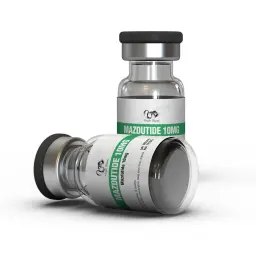
Drug Class: Dual GLP-1 and Glucagon Receptor Agonist
Composition: Mazdutide (IBI362)
Dosage: 10 mg/vial
Form: Lyophilized Powder
Unit: 2 mL Vial
Brand: Dragon Pharma
Laboratory Test: View Lab Report
For Injectable Use After Reconstitution
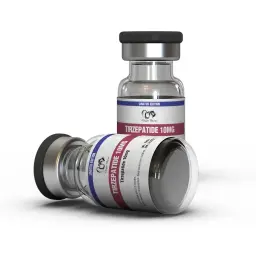
Drug Class: Dual GIP and GLP-1 Receptor Agonist
Composition: Tirzepatide
Dosage: 10 mg/vial
Form: Lyophilized Powder
Unit: 2 mL Vial
Brand: Dragon Pharma
Laboratory Test: View Lab Report
For Subcutaneous Injection