
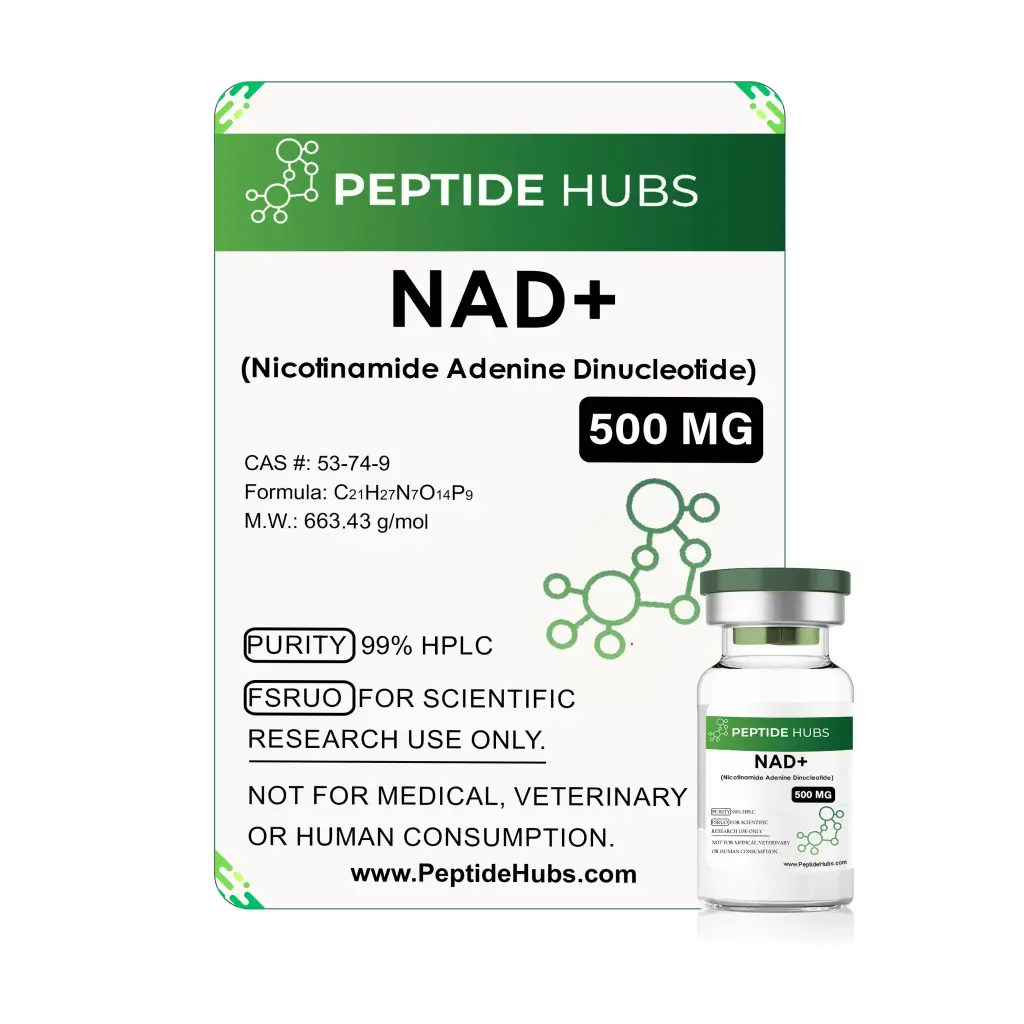
Drug Class: Essential Cellular Coenzyme
Composition: Nicotinamide Adenine Dinucleotide
Dosage: 500 mg/vial
Form: Lyophilized (Freeze-Dried) Powder
Unit: 2 mL Sterile Vial
Brand: Peptide Hubs
For Research Use in Laboratory Settings Only.
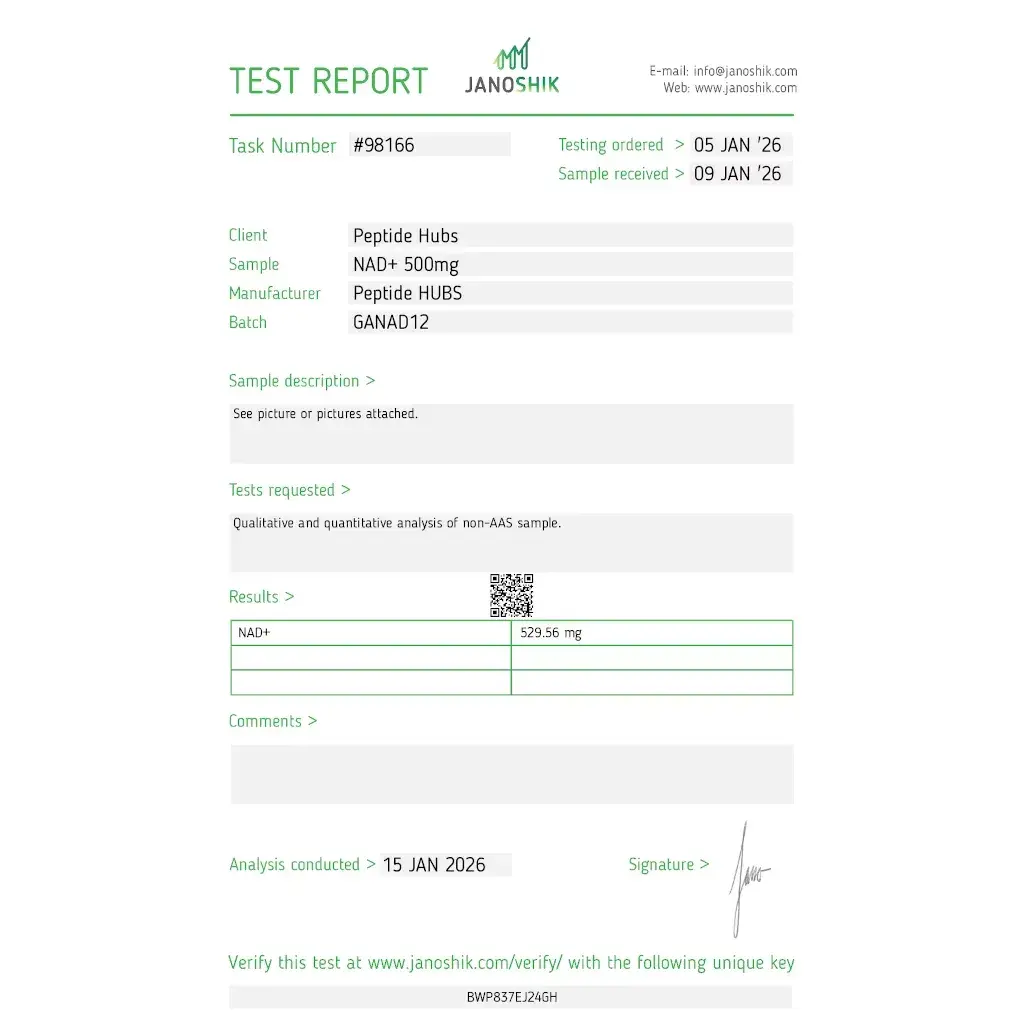
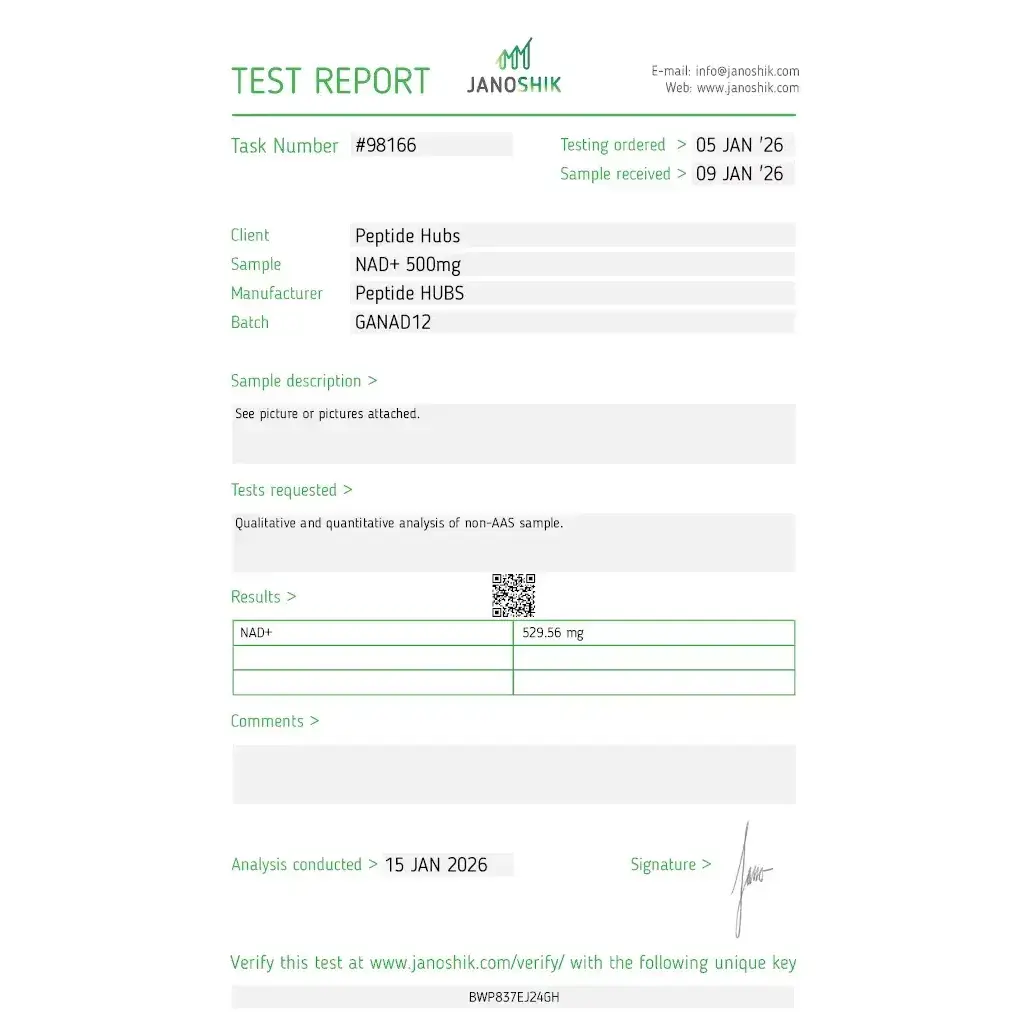
Laboratory Test: View Lab Report
At the absolute core of human performance, recovery, and cellular vitality lies a single, indispensable molecule: Nicotinamide Adenine Dinucleotide (NAD+). Peptide Hubs NAD+ 500 mg offers researchers access to this fundamental coenzyme in its pure, high-concentration oxidized form. For bodybuilders pushing metabolic limits, fitness scientists exploring recovery, and longevity researchers in the USA, NAD+ represents the master regulator of energy production, DNA repair, and cellular signaling. Its levels naturally decline with age, stress, and intense physical exertion, creating a bottleneck for optimal function. By choosing to buy NAD+ 500 mg USA from Peptide Hubs, you secure a pharmaceutical-grade research compound to investigate restoring this critical cellular currency, potentially unlocking enhanced stamina, accelerated recovery, and improved resilience.
NAD+ is not a stimulant or an anabolic steroid; it is an essential coenzyme present in every living cell. It serves as the primary electron carrier in the mitochondria during cellular respiration (the Krebs cycle and electron transport chain), directly governing ATP production—the very energy currency of life. Beyond energy metabolism, NAD+ is the required substrate for key longevity enzymes called sirtuins (SIRT1-7) that regulate DNA repair, gene expression, inflammation, and cellular stress resistance. It also fuels PARP enzymes crucial for DNA damage repair. The 500 mg high-dose vial from Peptide Hubs provides a substantial research quantity of ultra-pure, lyophilized NAD+, allowing for comprehensive studies on systemic replenishment and its downstream effects on performance and cellular health markers.
The research implications of NAD+ replenishment are vast and multifaceted. Primarily, it is studied for its role in enhancing mitochondrial efficiency and ATP output. In models of physical exertion, this can translate to research on improved endurance, reduced fatigue, and faster intra-workout recovery between sets. For athletes, this means potentially being able to sustain higher training volume and intensity—the primary drivers of hypertrophy. Secondly, NAD+ is critical for activating sirtuins, particularly SIRT1 and SIRT3. These enzymes promote mitochondrial biogenesis (creation of new mitochondria), enhance fat oxidation, and support cellular cleanup processes (autophagy). This makes NAD+ a compound of intense interest for studying body recomposition, metabolic flexibility, and the removal of damaged cellular components.
Third, NAD+ drives DNA repair and cellular maintenance. Intense training, oxidative stress, and certain performance-enhancing compounds can increase DNA damage. By fueling PARP enzymes, NAD+ supports genomic stability. Furthermore, its role in regulating circadian rhythms and supporting neuronal health positions it as a candidate for research on improving sleep quality and cognitive recovery—often overlooked aspects of peak performance. These systemic, foundational effects make NAD+ research complementary to more targeted compounds like MOTS-c 10 mg (a mitochondrial-derived peptide) or Epitalon 50 mg (for telomere and pineal gland research).
Peptide Hubs NAD+ 500 mg is supplied as a lyophilized powder in a 2 mL vial. For research use, reconstitution requires care due to the high concentration. Using sterile water for injection or bacteriostatic water is standard. Adding 2.5 mL of diluent results in a concentration of 200 mg/mL, which is practical for precise dosing. NAD+ for research can be administered via several routes: intravenous (IV) drip for systemic saturation in clinical models, intramuscular (IM) or subcutaneous (SC) injection for sustained release, or in cell culture media for in-vitro studies.
In preclinical and clinical research, dosing is highly variable. For studying systemic effects on performance or recovery in animal models, a common research dose ranges from 10 mg to 50 mg per kilogram of body weight, administered 1-3 times per week. Human clinical trials for age-related conditions often use IV infusions of 500-1000 mg, 1-2 times weekly. A typical research cycle to observe changes in biomarkers (e.g., ATP levels, NAD+/NADH ratio, sirtuin activity) might last 4 to 12 weeks. Due to its instability in solution, reconstituted NAD+ should be used immediately for best results, or aliquoted, frozen at -20°C or below, and thawed only once.
NAD+ is best researched as a foundational "support system" for the cell, enhancing the efficacy and sustainability of other interventions. Its research value shines in combination protocols designed to study holistic performance and recovery.
For Enhanced Recovery & Overtraining Prevention: To study mitigation of systemic fatigue, NAD+ could be combined with other recovery-focused agents. A research stack with BPC 157 5 mg (for systemic healing) and GHK-Cu 50 mg (for tissue repair and anti-inflammation) could create a powerful model for accelerated recovery from intense training blocks or injury.
For Metabolic Optimization & Fat Loss Research: To investigate improved metabolic rate and substrate utilization, NAD+ could be paired with metabolic primers. Research could combine it with AICAR 50 mg (an AMPK activator) and the mitochondrial peptide MOTS-c 5 mg to study synergistic effects on cellular energy sensing, fat oxidation, and insulin sensitivity during a cut.
For Cognitive & Neurological Performance Studies: To support brain energy and resilience during demanding cognitive or physical tasks, NAD+ research could be combined with neuropeptides. A stack with Semax 5 mg (for BDNF and cognitive enhancement) and L-Glutathione 600 mg (for master antioxidant support) could model protection against oxidative stress in neural tissues.
For Cellular Longevity & Detoxification Support: During research involving hepatotoxic compounds, studying cellular protection is key. NAD+ supports the PARP-driven DNA repair pathway. Research could pair it with Livagen 20 mg (a regenerative peptide fragment) and the antioxidant Selank 10 mg to create a comprehensive model for investigating systemic resilience and detoxification capacity.
NAD+ is an endogenous molecule, and research generally indicates a high safety margin. However, at high research doses, especially via rapid IV administration, some transient effects have been noted. The most common is a flushing sensation, nausea, or lightheadedness during or shortly after infusion, often attributed to vasodilation. This typically subsides quickly. There is no known androgenic, estrogenic, or hepatotoxic activity. NAD+ does not suppress the HPTA axis.
A key research consideration is the "Niacin flush" mimicry. NAD+ can be broken down into nicotinamide, which at high levels can transiently inhibit sirtuins—the opposite of the intended research goal. This underscores the importance of appropriate dosing and administration frequency in study design. Purity is critical; impurities can cause adverse reactions. Peptide Hubs' NAD+ undergoes rigorous HPLC purification to >99% purity. Researchers are encouraged to review foundational NAD+ science through resources like the National Institutes of Health (NIH) PubMed database.
Natural NAD+ levels drop significantly with age, a process accelerated by chronic stress, poor sleep, excessive alcohol, and intense physical training. This decline is directly linked to reduced mitochondrial function, impaired DNA repair, and dysregulated cellular signaling—hallmarks of aging and performance plateaus. Research on NAD+ replenishment isn't about creating a superhuman state; it's about investigating the restoration of youthful cellular function. For the performance-focused researcher, this translates to studies on whether maintaining optimal NAD+ levels can preserve training capacity, enhance recovery kinetics, and extend the prime athletic window. This positions Peptide Hubs NAD+ 500 mg not just as an energy compound, but as a fundamental tool for longevity and sustainability research in athletic models.
Cellular research demands coenzymes of the highest integrity. Peptide Hubs' NAD+ is synthesized and purified to pharmaceutical standards. The lyophilization process preserves its delicate molecular structure. Each batch is verified via: 1) HPLC analysis confirming >99% purity and the correct oxidized (NAD+) form (not the reduced NADH), 2) Mass spectrometry for molecular weight confirmation, and 3) Sterility and endotoxin testing. A comprehensive, batch-specific Certificate of Analysis is provided. For universities, biohacking labs, and clinical researchers in the USA looking to buy NAD+ 500 mg for serious investigation into energetics, aging, and performance, Peptide Hubs delivers the verified quality and documentation necessary for robust, credible scientific inquiry.
Name: Nicotinamide Adenine Dinucleotide (Oxidized Form)
Drug Class: Essential Cellular Coenzyme / Vitamin B3 Derivative
Other common names and terms: NAD+, Coenzyme I, Nicotinamide Adenine Dinucleotide (oxidized)
Active Life: Several hours (rapidly utilized and recycled in cells)
Detection Time: Not applicable; endogenous molecule.
Chemical Structure: C21H27N7O14P2
Common Doses: Research doses vary widely: 10-50 mg/kg in animal models; 500-1000 mg per session in human clinical infusion studies.
Blood pressure: May cause a transient decrease during rapid IV infusion due to vasodilation (flushing).
Acne: No (Non-androgenic).
Water retention: No (Non-estrogenic).
Aromatisation: No.
Liver toxicity: No; may support liver function via improved cellular energetics.
Decrease HPTA function: No; may support endocrine function via improved cellular energy.
NAD+ is the active coenzyme itself. NMN (Nicotinamide Mononucleotide) and NR (Nicotinamide Riboside) are precursors that the body must convert into NAD+. Research with direct NAD+ administration bypasses these conversion steps, which can be inefficient or rate-limited, allowing for the study of immediate and potent elevations in cellular NAD+ levels. Each has its own research applications in studying the NAD+ salvage pathway.
The route depends on the research goal. IV infusion (slow drip) is used in clinical models for immediate, whole-system saturation. Intramuscular (IM) injection provides a slower, sustained release over hours. Subcutaneous (Sub-Q) is similar but may have slightly slower absorption. For cell culture, it's added directly to media. IV offers the most direct research model for systemic effects but requires appropriate medical oversight in live models.
Yes, it's a compelling research area. PCT is metabolically stressful, often involving hormonal fluctuations and potential drops in energy. Research could investigate whether NAD+ replenishment supports cellular energy (ATP) production in Leydig cells (testosterone production), improves overall systemic recovery, and helps mitigate the fatigue and motivational drop often reported during this phase, potentially leading to better retention of gains.
Intense exercise dramatically increases the demand for NAD+ to produce ATP and activates PARP for DNA repair from oxidative stress. This can deplete cellular NAD+ pools, potentially creating a bottleneck for recovery and subsequent performance. Research on NAD+ replenishment post-exercise therefore focuses on whether it can accelerate the restoration of these pools, leading to faster recovery of strength, reduced soreness, and improved readiness for the next training session.
Storage is critical. Keep the lyophilized powder in its original vial at -20°C or lower for long-term stability. Protect from light and moisture. Upon reconstitution, use immediately for the most reliable research results. If you must store it reconstituted, aliquot into sterile vials, freeze at -80°C, and avoid freeze-thaw cycles. NAD+ is heat and pH-sensitive; never reconstitute with anything other than the recommended sterile diluents.
Please log in to write NAD+ 500 mg review.
Drug Class: Repair & Regenerative Peptide
Composition: Thymosin Beta 4
Dosage: 5 mg/vial
Form: Lyophilized Powder
Unit: 2 mL Vial
Brand: Peptide Hubs
Laboratory Test: View Lab Report
For Subcutaneous Injection

Drug Class: Repair & Regenerative Peptide Blend
Composition:
- Thymosin Beta 4 5 mg
- BPC 157 5 mg
Dosage: 10 mg/vial (5 mg each)
Form: Lyophilized Powder
Unit: 2 mL Vial
Brand: Peptide Hubs
Laboratory Test: View Lab Report
For Subcutaneous Injection
Drug Class: Nootropic & Neuroprotective Peptide
Composition: Semax
Dosage: 5 mg/vial
Form: Lyophilized Powder
Unit: 2 mL Vial
Brand: Peptide Hubs
For Intranasal or Subcutaneous Administration
Laboratory Test: View Lab Report
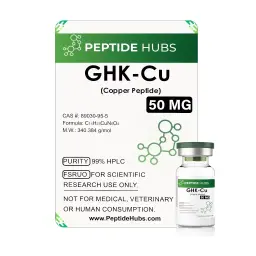
Drug Class: Copper-Binding Tripeptide
Composition: GHK-Cu (Gly-His-Lys)
Dosage: 50 mg/vial
Form: Lyophilized Powder
Unit: 2 mL Vial
Brand: Peptide Hubs
Laboratory Test: View Lab Report
For Research and Laboratory Use Only
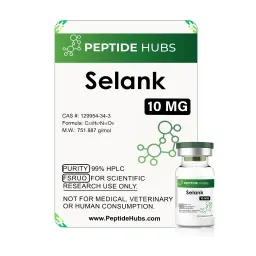
Drug Class: Anxiolytic Nootropic Peptide
Composition: Selank
Dosage: 10 mg/vial
Form: Lyophilized Powder
Unit: 2 mL Vial
Brand: Peptide Hubs
Laboratory Test: View Lab Report
For Subcutaneous or Intranasal Administration
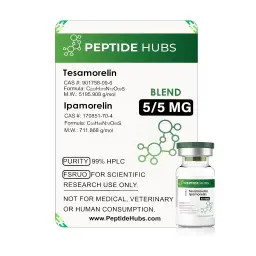
Drug Class: Growth Hormone Secretagogue Blend (GHRH Analog + GHRP)
Composition:
- Tesamorelin 5 mg
- Ipamorelin 5 mg
Dosage: 10 mg/vial
Form: Lyophilized Powder
Unit: 2 mL Vial
Brand: Peptide Hubs
Laboratory Test: View Lab Report
For Subcutaneous Injection
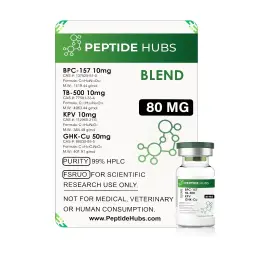
Drug Class: Advanced Anti-Inflammatory & Healing Peptide Complex
Composition:
- KPV 10 mg
- BPC-157 10 mg
- TB-500 10 mg
- GHK-Cu 50 mg
Dosage: 80 mg/vial
Form: Lyophilized Powder
Unit: 2 mL Vial
Brand: Peptide Hubs
For Research Use Only
Laboratory Test: View Lab Report
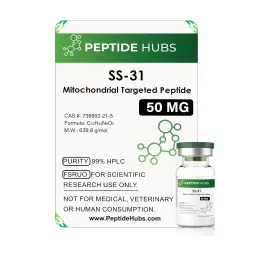
Drug Class: Mitochondrial-Targeted Antioxidant Peptide
Composition: SS-31
Dosage: 50 mg/vial
Form: Lyophilized Powder
Unit: 2 mL Vial
Brand: Peptide Hubs
For Research Use Only