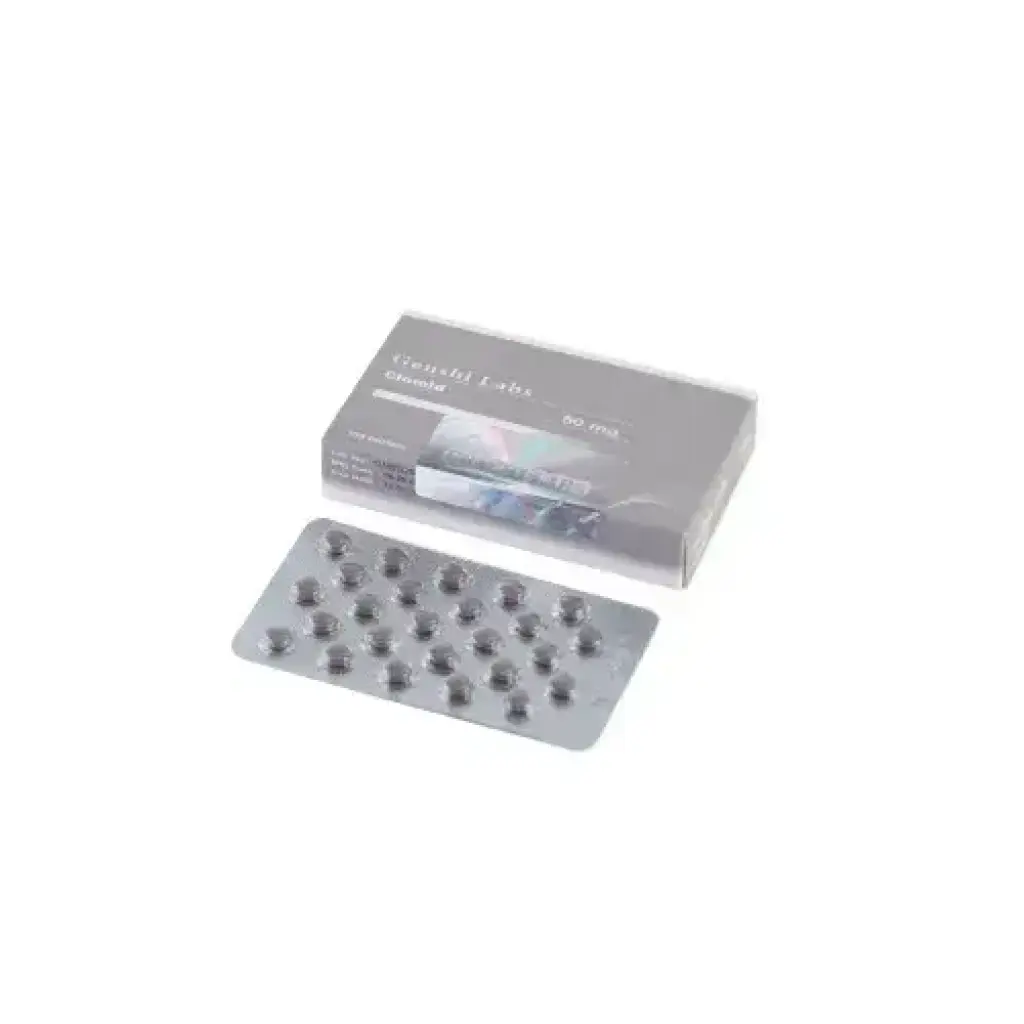
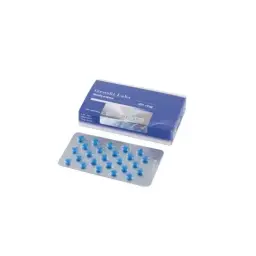
GenShi Labs Clomid 50 mg: The Gold Standard for Post-Cycle Recovery
For bodybuilders and athletes in the USA, the end of an anabolic steroid cycle is just as critical as the cycle itself. Suppressed natural testosterone production can lead to catastrophic loss of gains, mood swings, and low energy. GenShi Labs Clomid 50 mg, powered by Clomiphene Citrate, is the cornerstone of an effective Post-Cycle Therapy (PCT). This powerful Selective Estrogen Receptor Modulator (SERM) is scientifically designed to jumpstart your body's endogenous testosterone production, ensuring you retain your hard-earned muscle and swiftly return to a healthy hormonal balance.
How Clomid Works: The Science of Recovery
Clomid (Clomiphene Citrate) is a complex compound with two primary isomers: Enclomiphene and Zuclomiphene. Its primary mechanism in PCT is to trick the body into producing more of its own hormones. It acts as an estrogen antagonist at the hypothalamus and pituitary gland. By blocking estrogen from binding to receptors in these areas, it prevents the negative feedback loop that tells your body to stop producing Gonadotropin-Releasing Hormone (GnRH).
With this blockade in place, the body increases the pulsatile secretion of GnRH, which in turn stimulates the pituitary gland to produce more Luteinizing Hormone (LH) and Follicle-Stimulating Hormone (FSH). Elevated levels of LH are the direct signal for the Leydig cells in the testes to ramp up the production of natural testosterone. According to research published by the National Institutes of Health, Clomiphene Citrate is a proven and effective treatment for male hypogonadism, making it perfectly suited for post-cycle hormonal recovery.
Clomid Dosage for Post-Cycle Therapy
Proper dosing is critical for a successful PCT. The potent 50 mg tablets from GenShi Labs allow for precise and flexible dosing protocols. The following is for informational purposes only and is not medical advice. Always tailor your PCT to the specific cycle you have run.
- Standard PCT Protocol (4-6 weeks):
- Weeks 1-2: 50 mg per day.
- Weeks 3-4: 25 mg (half a tablet) per day.
- Weeks 5-6 (if needed for heavier cycles): 25 mg every other day.
- Mild Cycle PCT: For shorter cycles with milder compounds like Anavar 10, a 4-week protocol starting at 25 mg/day may be sufficient.
- Heavy Cycle PCT: After cycles involving long-estered or highly suppressive compounds like Deca 300 or Trenbolone 100, a longer 6-week protocol is strongly advised.
It is often used in conjunction with another SERM, Nolvadex (Tamoxifen), for a more comprehensive recovery approach, as they work through slightly different mechanisms.
Implementing Clomid in Your Post-Cycle Therapy
Timing is everything when it comes to PCT. Starting Clomid too early or too late can hinder your recovery. The initiation of PCT depends on the half-lives of the anabolic compounds used in your cycle.
Sample PCT Protocol for a Standard Testosterone Cycle:
- Cycle: Testabol 400 for 12 weeks.
- PCT Start: 2 weeks after the last injection.
- Weeks 1-4: Clomid 50 mg daily + Nolvadex 20 mg daily.
- Weeks 5-6: Clomid 25 mg daily + Nolvadex 10 mg daily.
For cycles that included compounds which can cause progesterone-related side effects, such as Trenbolone 200, having Caber (Cabergoline) on hand is crucial. Furthermore, a natural testosterone booster can be introduced after the SERM therapy, but the core of your PCT should always be built around a proven SERM like Clomid.
Possible Side Effects of Clomid
While generally well-tolerated, Clomid can produce side effects, which are often dose-dependent. Most subside as the dosage is decreased or the body adjusts.
- Common Side Effects: Visual disturbances (blurriness, floaters), headaches, mood swings, nausea, and hot flashes. Visual sides are a sign to discontinue use immediately.
- Less Common Side Effects: Some users may experience oilier skin or acne due to the increase in androgenic activity as testosterone production resumes.
- Mood Effects: Due to its mixed estrogenic/anti-estrogenic activity in different tissues, some users report emotional sensitivity or feelings of depression. This is often nicknamed the "Clomid Blues."
It is important to note that Clomid has a long half-life due to the Zuclomiphene isomer, which can build up in your system over time. This is one reason why PCT protocols are kept relatively short and why some users prefer the newer Enclomiphene for a potentially cleaner side-effect profile.