
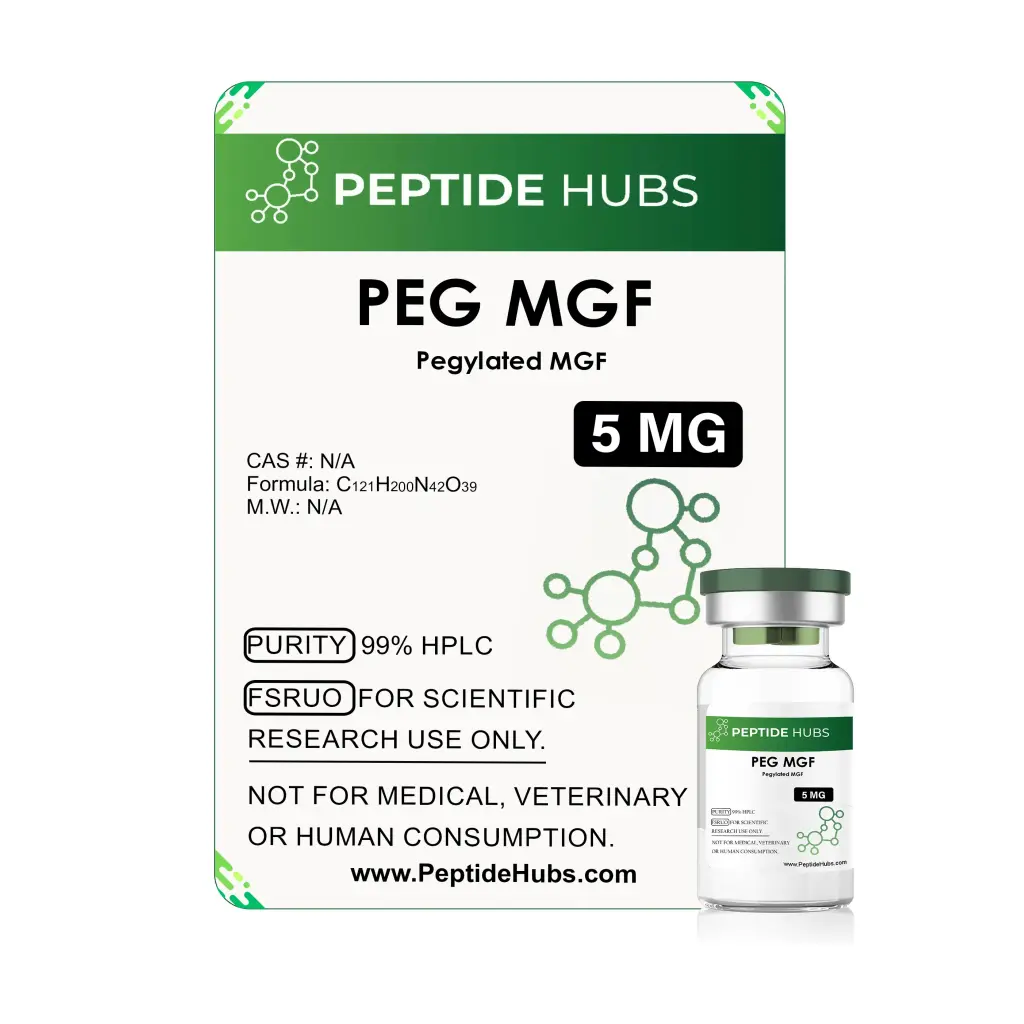
Drug Class: PEGylated Mechano Growth Factor
Composition: Pegylated Mechano Growth Factor (IGF-1Ec)
Dosage: 5 mg/vial
Form: Lyophilized (Freeze-Dried) Powder
Unit: 2 mL Sterile Vial
Brand: Peptide Hubs
For Research Use in Laboratory Settings Only.
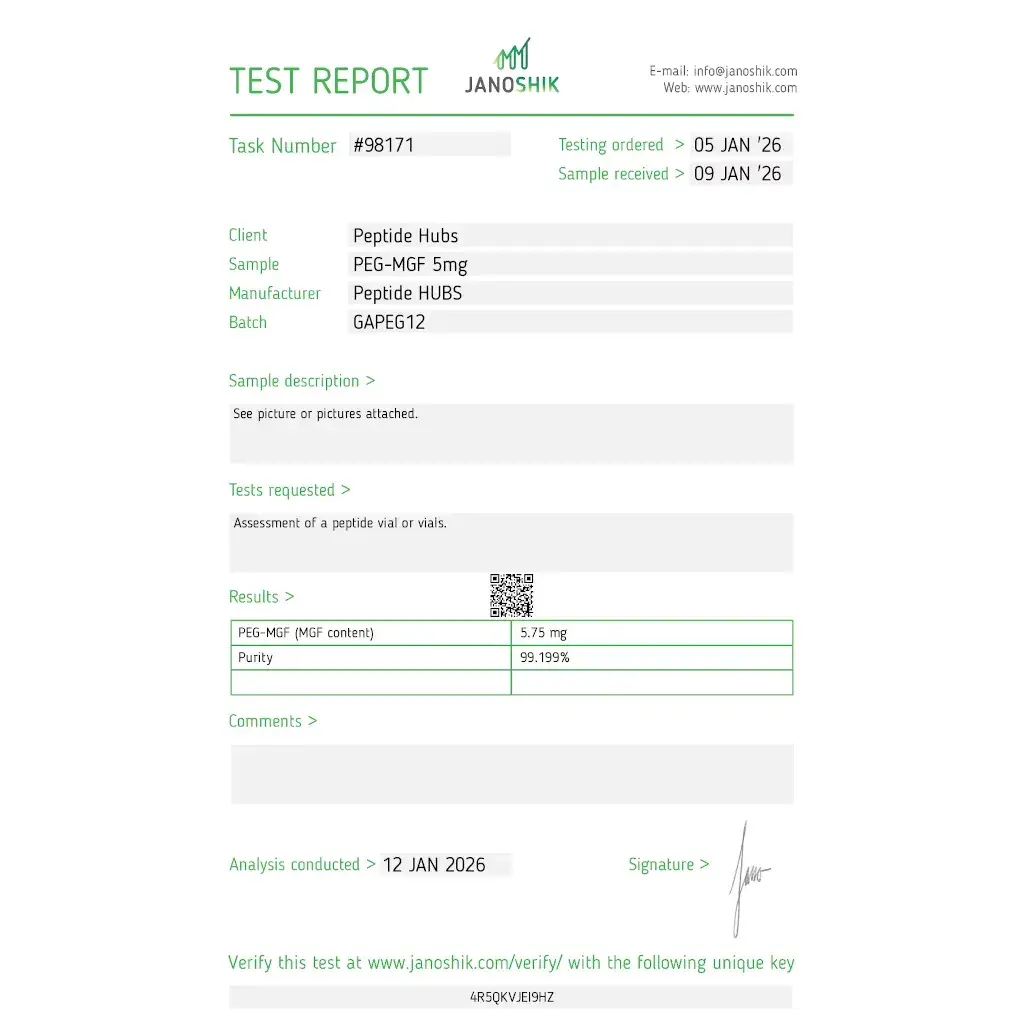
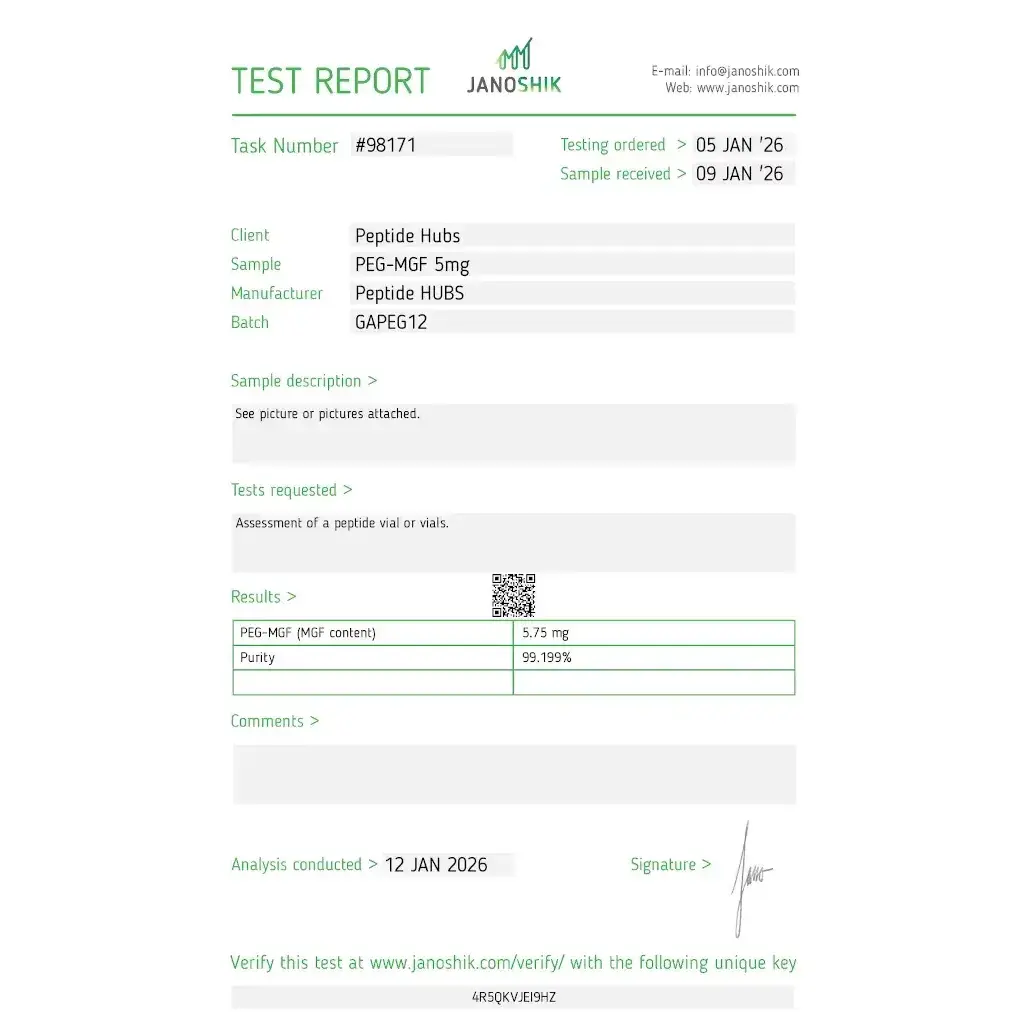
Laboratory Test: View Lab Report
For researchers and performance scientists focused on the frontiers of muscle hypertrophy and tissue regeneration, Peptide Hubs PEG MGF 5 mg presents a groundbreaking tool. This isn't standard IGF-1; it's a specialized, pegylated form of Mechano Growth Factor (MGF), engineered for extended stability and a prolonged half-life in research settings. For bodybuilders, athletes, and fitness researchers in the USA, PEG MGF offers a unique model to study localized muscle repair, satellite cell activation, and the anabolic signaling that occurs specifically in response to mechanical stress. When you choose to buy PEG MGF 5 mg USA from Peptide Hubs, you're investing in a high-purity, advanced research peptide designed to explore the very mechanisms that trigger muscle growth at the cellular level.
Mechano Growth Factor is a splice variant of Insulin-like Growth Factor-1 (IGF-1) that is naturally expressed in muscle tissue following mechanical damage (i.e., training). The standard MGF peptide has an extremely short half-life. The innovative PEGylation process—attaching polyethylene glycol chains—dramatically increases its molecular stability and circulatory time, making it far more practical for controlled research. This Pegylated MGF from Peptide Hubs acts primarily on the IGF-1 receptor, activating the crucial PI3K/Akt/mTOR pathway, which governs protein synthesis, cell proliferation, and survival. Its research value lies in its potential to mimic and amplify the body's natural, injury-induced repair signal. Peptide Hubs' advanced synthesis ensures each 5 mg vial contains a precisely pegylated, lyophilized peptide of verified purity, providing consistent and reliable activity for laboratory investigation.
The primary research focus for PEG MGF is its potential to induce localized, site-specific growth and repair. Unlike systemic anabolics, its effects are theorized to be most pronounced at the injection site due to its limited diffusion and action on local satellite cells—muscle stem cells responsible for repair and new fiber formation. In research models, this could translate to studies showing enhanced recovery from micro-tears, increased cross-sectional area of specific muscle groups, and improved repair of connective tissue. This makes it a compound of exceptional interest for studying lagging body parts, injury rehabilitation protocols, or overcoming genetic weak points.
Beyond pure hypertrophy, PEG MGF research explores enhanced nutrient partitioning. By activating anabolic pathways locally, it may create a "sink" for amino acids and glucose in the target muscle, pulling nutrients away from fat storage and into muscle repair. This nutrient-shuttling effect is a key hypothesis in body composition research. Furthermore, its role in angiogenesis (new blood vessel formation) is significant, as improved vascularity can enhance nutrient delivery, waste removal, and muscle fullness. These mechanisms are distinct from, but potentially synergistic with, other growth factors like IGF-1 LR3 1 mg (which is more systemic) or healing peptides like TB 500 5 mg.
As a specialized research peptide, precise dosing and administration are critical. The Peptide Hubs PEG MGF 5 mg vial contains lyophilized powder. Reconstitution should be performed with sterile bacteriostatic water. Adding 1 mL of diluent creates a concentration of 5 mg/mL (5000 mcg/mL). Due to its pegylated structure and longer half-life (estimated 24-48 hours), research dosing frequency is significantly reduced compared to standard MGF.
In preclinical research models, a common protocol involves administering 100 to 300 micrograms per injection site, typically via intramuscular (IM) injection, 2 to 3 times per week. The IM route is emphasized in research to maximize local, site-specific effects. A standard research cycle to observe measurable changes in tissue morphology or repair markers typically spans 4 to 8 weeks. It is common practice in study design to rotate injection sites (e.g., left and right quadriceps, pectorals) to compare localized effects and ensure consistent tissue exposure. Reconstituted peptide should be stored refrigerated (2-8°C) and used within 4-6 weeks, though its pegylated nature offers better stability than non-modified peptides.
In a hypothetical research framework for maximizing muscle growth and repair, PEG MGF would be studied as a targeted, localized agent, often in combination with systemic anabolics or other supportive peptides.
For Targeted Muscle Group Enhancement: To study the development of lagging muscle groups, PEG MGF could be researched with site-specific IM injections into the target area (e.g., calves, rear delts). This could be combined with systemic anabolic support from a compound like LGD 4033 (available elsewhere) and the nutrient-partitioning effects of GHRP-6 10 mg (to increase hunger and GH pulse) to create a comprehensive "growth and feed" model.
For Injury Rehabilitation & Tendon Repair: To study recovery from muscle tears or tendonitis, PEG MGF could be injected locally around the injury site. This protocol could be powerfully combined with the systemic healing effects of BPC 157 5 mg and the connective tissue support of TB 500/BPC 157 10 mg blend, creating a multi-angled model for accelerated soft tissue repair.
For Post-Cycle Therapy (PCT) & Muscle Retention: During the catabolic risk period of PCT, researching localized anabolic support could be valuable. PEG MGF injections into vulnerable muscle groups could be studied alongside a standard PCT serm protocol and the HPTA-supportive peptide Kisspeptin-10 5 mg to investigate enhanced retention of cycle gains.
For Nutrient Shuttling & "Lean Bulk" Research: To investigate nutrient partitioning during a calorie surplus, PEG MGF could be used to create localized anabolic "sinks." Research could pair it with Ipamorelin 5 mg (for clean GH pulses) and the metabolic agent AOD 9604 5 mg to model a cycle designed for maximum muscle gain with minimal fat accumulation.
In research settings, the primary considerations for PEG MGF are related to its localized and growth-promoting actions. The most commonly hypothesized research observation is injection site reactivity, which could include temporary soreness, swelling, or itching due to the local inflammatory and proliferative response it is designed to stimulate. At high doses, research might observe visceral or organ growth as a potential systemic effect, as IGF-1 receptors are present throughout the body. This underscores the importance of the localized, low-dose, intermittent research protocol.
Unlike androgenic steroids, PEG MGF does not cause androgenic side effects (acne, hair loss) or suppress the HPTA axis directly. However, it may cause transient hypoglycemia due to its insulin-like activity, necessitating monitoring of blood glucose in live research models. There is no estrogenic activity or liver toxicity associated. A critical safety factor is ensuring the product is pure and correctly pegylated; improperly synthesized peptide can cause immune reactions. Peptide Hubs' verified synthesis and third-party testing mitigate this risk. Researchers can consult broader literature on IGF-1 and tissue growth through authoritative sources like the NCBI Bookshelf.
The PEGylation of MGF is not a marketing gimmick; it's a serious pharmaceutical technology applied to research peptides. Attaching PEG polymers increases the peptide's hydrodynamic size, which: 1) Slows renal clearance, dramatically extending half-life from minutes to days, 2) Reduces proteolytic degradation by enzymes in the bloodstream, and 3) Can decrease immunogenicity. For researchers, this means a stable compound that provides sustained receptor activation with less frequent dosing, leading to more consistent and interpretable data in long-term studies on muscle adaptation and repair. This technological edge makes Peptide Hubs PEG MGF a superior research material compared to unstable, short-lived MGF versions.
Research on potent growth factors demands uncompromising quality. Peptide Hubs' PEG MGF is produced using stringent cGMP guidelines. The PEGylation process is controlled and verified to ensure consistent polymer attachment and bioactivity. Each batch undergoes triple verification via HPLC (for purity), Mass Spectrometry (for sequence and PEG confirmation), and bioactivity assays where applicable. A batch-specific Certificate of Analysis detailing purity (>98%), peptide content, and sterility is provided. For research institutions and serious scientists in the USA looking to buy PEG MGF 5 mg for pioneering studies in muscle physiology, Peptide Hubs delivers the pharmaceutical-grade precision and documentation required for credible, publication-ready science.
Name: PEGylated Mechano Growth Factor
Drug Class: PEGylated Growth Factor (IGF-1 Splice Variant)
Other common names and terms: Peg-MGF, PEG-IGF-1Ec, Long-Acting MGF
Active Life: 24-48 hours (due to PEGylation)
Detection Time: Not applicable for standard sports testing
Chemical Structure: MGF (IGF-1Ec) conjugated to Polyethylene Glycol polymer(s)
Common Doses: Research doses: 100-300 mcg per injection site, 2-3 times weekly (IM).
Blood pressure: May cause a slight decrease in blood pressure acutely due to vasodilation.
Acne: No (Non-androgenic). May improve skin quality via collagen synthesis.
Water retention: Minimal; not estrogenic. Localized swelling at injection site possible.
Aromatisation: No (Non-estrogenic).
Liver toxicity: No hepatotoxicity.
Decrease HPTA function: No direct suppression. May indirectly support anabolic environment.
PEG MGF is a long-acting, pegylated version of MGF designed for sustained activity with less frequent dosing. Regular MGF has a half-life of just minutes. IGF-1 LR3 is a different, long-acting analog of systemic IGF-1 that binds strongly to IGFBP-3 and has more whole-body effects. PEG MGF is primarily researched for its potent, localized site-specific actions on muscle repair and satellite cell activation.
For research on localized effects, intramuscular (IM) injection directly into the belly of the target muscle is standard. Doses of 100-300 mcg per site, 2-3 times per week, with rotation between left and right muscle groups (e.g., Monday: left quad, Wednesday: right quad, Friday: left pectoral) allows for comparative analysis and prevents over-saturation of a single site.
As with any potent growth factor acting on IGF-1 receptors present in all tissues, there is a theoretical risk of promoting growth of visceral organs (e.g., heart, kidneys) at high systemic doses or with prolonged use. This is a key reason research protocols emphasize low doses, localized administration, and limited cycle lengths (4-8 weeks) to minimize systemic exposure and focus effects on skeletal muscle.
In research models, protocols vary. One hypothesis is that post-workout administration may synergize with the natural release of endogenous MGF. Another is that administration on rest days may maximize repair and growth during the recovery phase. Many research designs split the difference, administering it every 2-3 days regardless of training schedule, focusing on consistent receptor activation.
You must request and review the batch-specific Certificate of Analysis (CoA) from the vendor. A legitimate CoA for PEG MGF should show: 1) HPLC purity >98%, 2) Mass Spectrometry data confirming the correct molecular weight of the peptide-PEG conjugate (significantly higher than non-pegylated MGF), and 3) Sterility testing. Peptide Hubs provides this transparent documentation for every batch, which is essential for research validity.
Review this product and help others make an informed decision. Log in to leave your feedback.
Drug Class: Growth Hormone Secretagogue (GHS)
Composition: Ipamorelin
Dosage: 5 mg/vial
Form: Lyophilized (Freeze-Dried) Powder
Unit: 2 mL Vial
Brand: Peptide Hubs
Laboratory Test: View Lab Report
For Research and Laboratory Use Only
Drug Class: Growth Hormone-Releasing Hormone (GHRH) Analog
Composition: Sermorelin
Dosage: 5 mg/vial
Form: Lyophilized Powder
Unit: 2 mL Vial
Brand: Peptide Hubs
For Subcutaneous Injection
Laboratory Test: View Lab Report
Drug Class: Long-Acting Peptide Hormone
Composition: Insulin-like Growth Factor 1 Long R3
Dosage: 1 mg/vial
Form: Lyophilized (Freeze-Dried) Powder
Unit: 2 mL Vial
Brand: Peptide Hubs
For Research and Laboratory Use Only
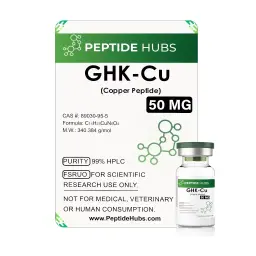
Drug Class: Copper-Binding Tripeptide
Composition: GHK-Cu (Gly-His-Lys)
Dosage: 50 mg/vial
Form: Lyophilized Powder
Unit: 2 mL Vial
Brand: Peptide Hubs
Laboratory Test: View Lab Report
For Research and Laboratory Use Only
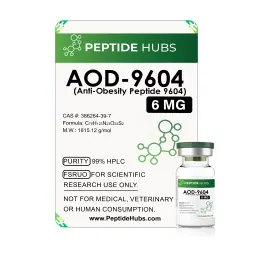
Drug Class: Synthetic Peptide Fragment
Composition: AOD 9604
Dosage: 5 mg/vial
Form: Lyophilized Powder
Unit: 2 mL Vial
Brand: Peptide Hubs
For Research and Laboratory Use Only
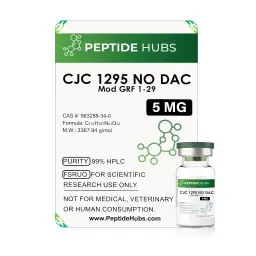
Drug Class: Growth Hormone-Releasing Hormone (GHRH) Analog
Composition: Mod GRF 1-29
Dosage: 5 mg/vial
Form: Lyophilized Powder
Unit: 2 mL Vial
Brand: Peptide Hubs
Laboratory Test: View Lab Report
For Subcutaneous Injection
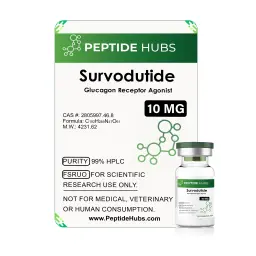
Drug Class: Glucagon/GLP-1 Receptor Dual Agonist
Composition: Survodutide (BI 456906)
Dosage: 10 mg/vial
Form: Lyophilized (Freeze-Dried) Powder
Unit: 2 mL Sterile Vial
Brand: Peptide Hubs
For Research Use in Laboratory Settings Only.
Laboratory Test: View Lab Report
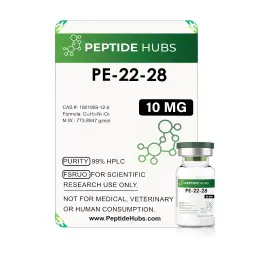
Drug Class: Nootropic / Neuropeptide
Composition: PE-22-28 (Lyophilized Powder)
Dosage: 100-300 mcg per day
Form: Lyophilized Powder in 2 mL Vial
Unit: 10 mg per Vial
Brand: Peptide Hubs
Laboratory Test: View Lab Report
For Research Use Only